Gatineau Park is your conservation park. Covering an area of more than 361 km2, Gatineau Park is the largest natural green space in the National Capital Region.
Many habitats and ecosystems to protect
Gatineau Park has many different types of landscapes: mountains, forests, streams, marshes, swamps, bogs, pastoral landscapes, and more than 50 lakes.
Some of these habitats and ecosystems are especially important and are considered “valued” natural habitats. They are protected due to their essential role in the environment and to shelter species at risk. These habitats include:
- the Eardley Escarpment, Eardley Plateau, three-lakes chain (Meech, Harrington and Philippe lakes), La Pêche Lake and Pink Lake Plateau ecosystems;
- the Lac-des-Fées and Folly Bog habitats.
Thousands of species that need protection
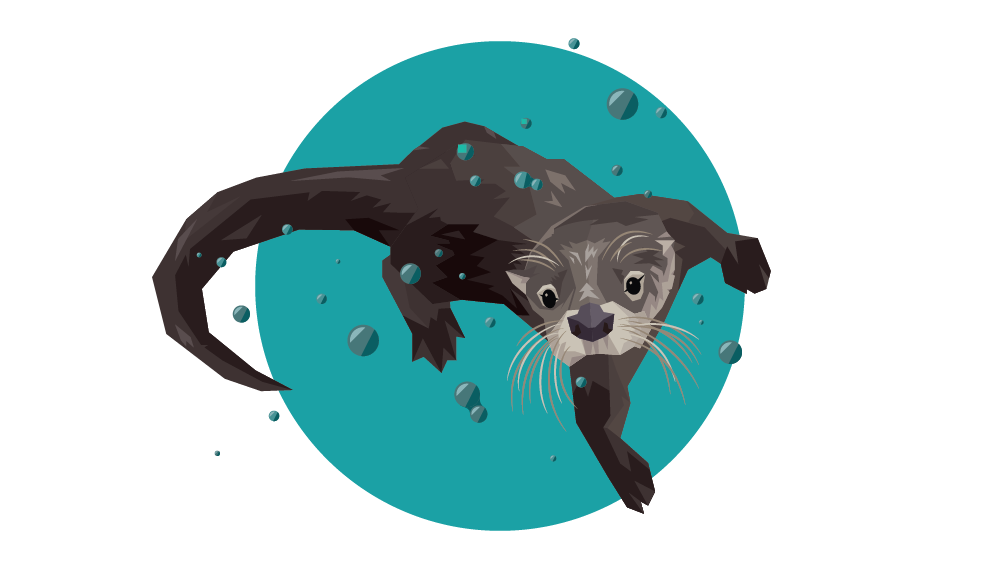
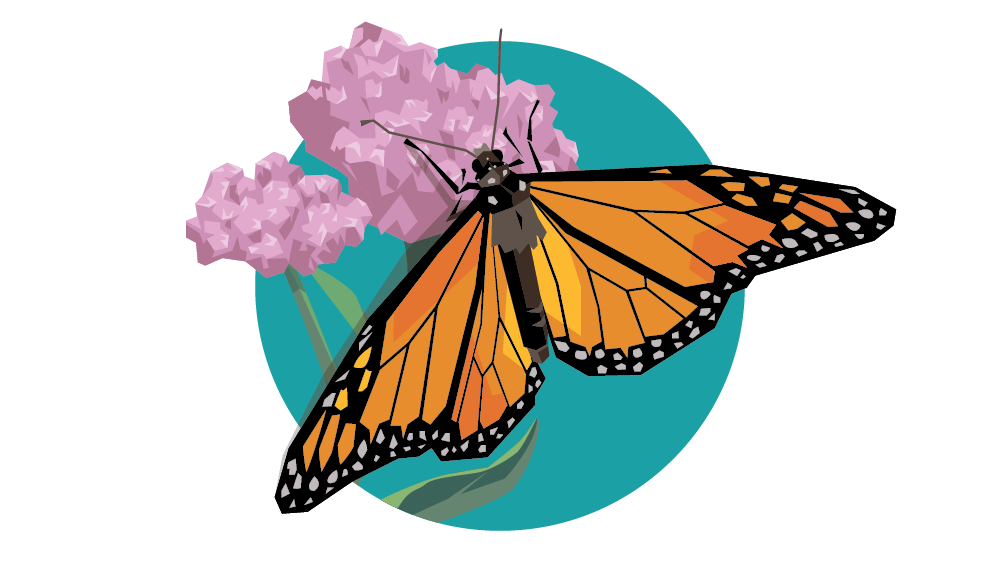
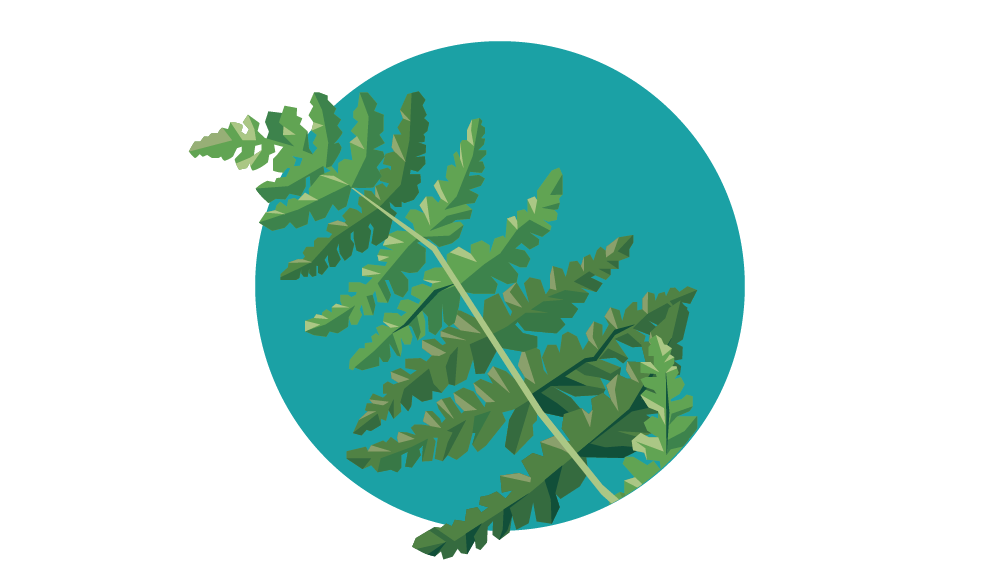
Gatineau Park is home and refuge to more than 5,000 plant and animal species, some of which are not found anywhere else in the region or province. Around 150 species are at risk.
Some of these include:
A natural territory such as Gatineau Park, so close to a large capital city, is unusual. To support the efforts of our teams, here’s what you can do: respect nature, follow guidelines, and join conservation initiatives.
Protecting Gatineau Park—together
What we’re doing
Conservation in Gatineau Park is at the heart of our mandate. Specifically, our teams work on the following issues:
Protecting biodiversity
Biodiversity refers to the variety of plants, animals and other living species and the ecosystems in which they live. Gatineau Park is home and refuge to more than 5,000 plant and animal species.
Action plan
- Monitor biodiversity indicator species
- Manage invasive alien species
Protecting species at risk
At-risk species are any species that are endangered, threatened, of special concern, vulnerable or liable to be so designated. Gatineau Park contains around 150 species at risk on the Quebec and Canada lists.
Action plan
- Inventory targeted species, such as the chorus frog
- Follow guidelines for the protection of species at risk
- Conserve species at risk, which includes habitat restoration projects
- Work with partners to raise awareness
Limiting habitat fragmentation
Fragmentation is the process of transforming a large area into smaller, isolated patches. In Gatineau Park, unofficial trails exacerbate habitat fragmentation.
Action plan
Protecting ecological connectivity
Ecological connectivity is about preserving ecological corridors, the natural passageways that enable plant species to disperse and wildlife to move from one habitat to another. Gatineau Park contains 12 potential ecological corridors.
Action plan
- Identify and map potential ecological corridors
- Plan land development and use based on corridors
Work with partners to preserve the corridors beyond Park boundaries
Limiting pressure from human activities
Pressure from human activities refers to the impact human actions have on nature, such as ecosystem degradation, biodiversity loss, and destruction of natural habitats. Gatineau Park receives over 2.6 million visits every year, making it the second-most-visited park in Canada.
Action plan
- Park patrols and public awareness
- Initiatives to encourage people to visit the Park in sustainable ways:
- Free shuttle service connecting Ottawa and Gatineau to the parkways;
- Car-free hours;
- Free loan of assisted vehicles to people with reduced mobility;
- Electric bicycle rentals.
Ensuring continued research to facilitate an ecosystem management approach based on ecological integrity
Ecological integrity refers to an ecosystem that is characteristic of its natural region. In an intact ecosystem, local species and their interactions and processes (such as growth and reproduction) function normally.
In Gatineau Park, scientific data from research help biologists protect the Park’s ecological integrity. The Park’s ecological richness and proximity to the city supports this research.
Action plan
- Numerous scientific research permits issued each year
- Logistical support and funding for certain scientific research projects
To learn more about these priorities, which form the basis or our conservation action plan, please consult the Gatineau Park Ecosystem Conservation Plan.
What you can do
When visiting, leave nature as you find it and follow the outdoor ethics code. This will help protect the Park’s ecosystems and the plants and animals that call it home.
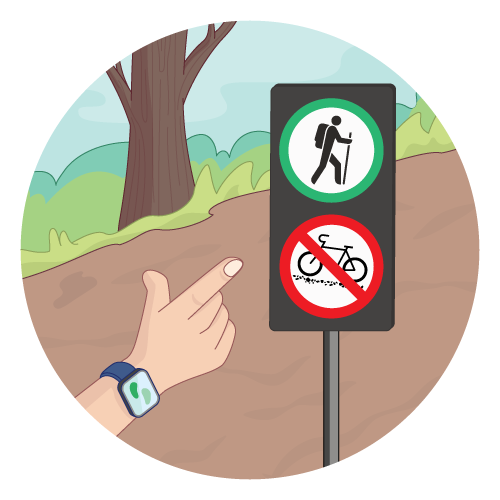
Stay on official, marked trails
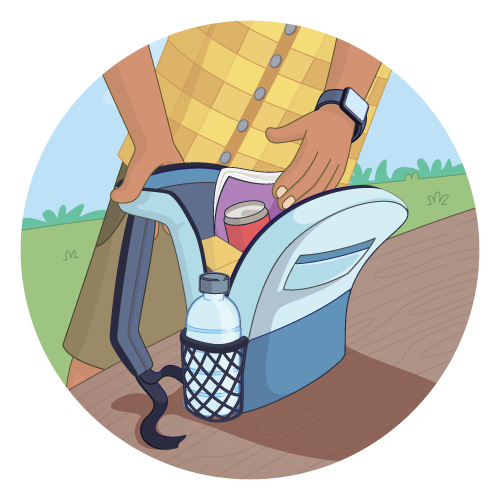
Pack it in, pack it out
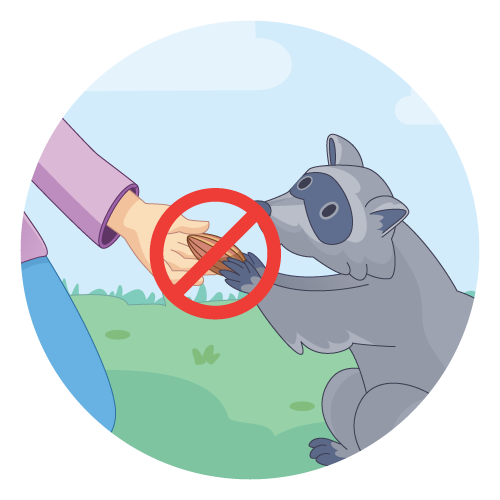
Do not feed animals
Want to do more? Get involved as a volunteer, join the citizen science program or participate in our public consultations.