The National Capital Core Area Plan lays out a bold vision for the evolution of Canada’s National Capital to 2050. The result of extensive public consultation and dedicated planning, it includes proposed projects to enhance the beauty, vibrancy and majesty of the downtown core, while also addressing issues such as climate resilience, economic development, accessibility and reconciliation.
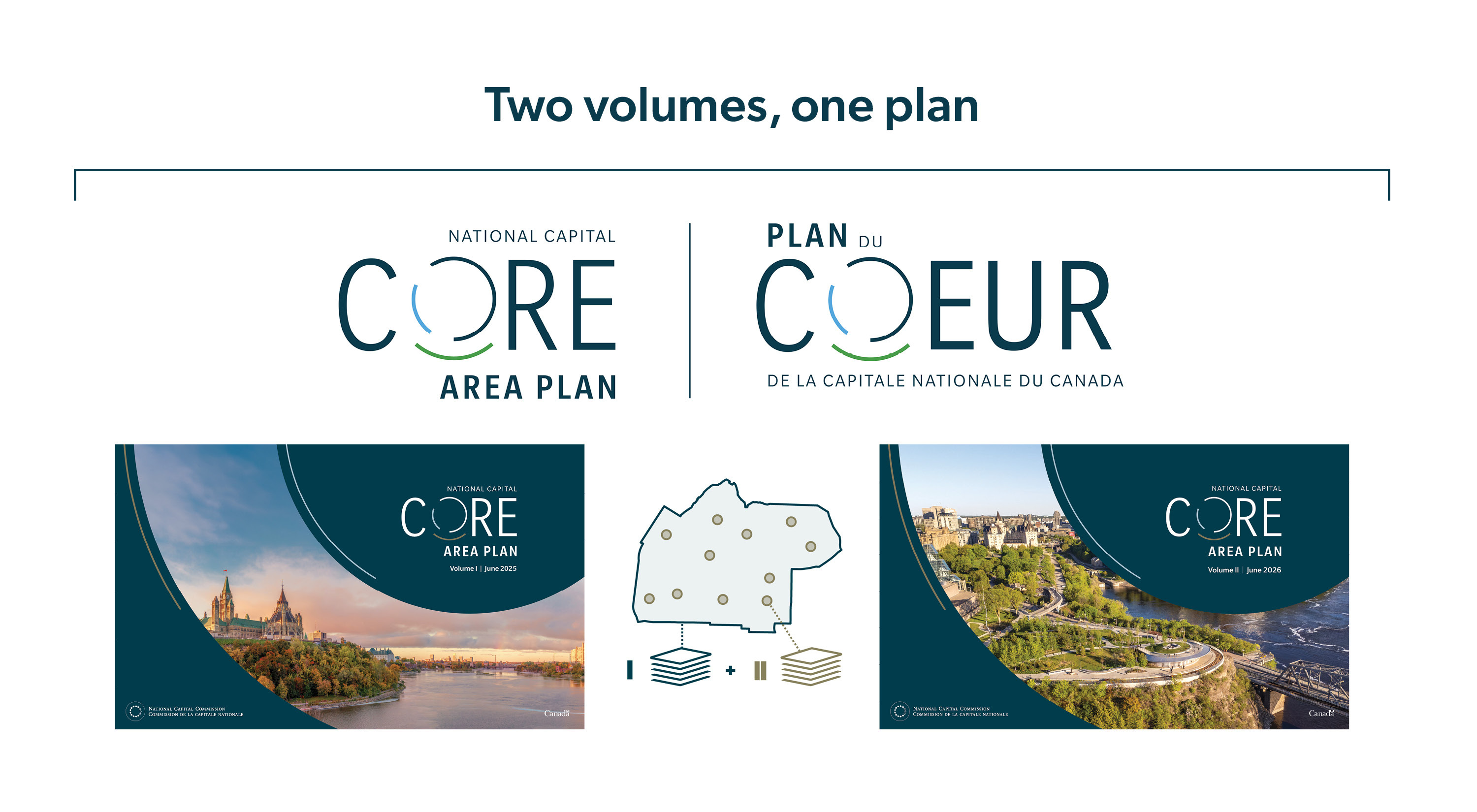
The NCC’s board of directors approved Volume I of the Core Area Plan in June 2025 and Volume II in June 2026. These two volumes constitute a complete plan for the National Capital’s core area.
What is the National Capital Region’s core area?
Political and geographical factors combine to create a unique planning context for the core area of Canada’s capital.
The core area spans two municipalities and two provinces; while each has its own priorities, they share objectives in terms of creating a vibrant and livable urban centre with ample access to the majestic Ottawa River. The area includes distinctive natural features and many of Canada’s most significant national landmarks.

About the plan
The Core Area Plan establishes a long-term vision for the Capital to 2050 and beyond:
“The heart of the Capital is a beautiful, sustainable, vibrant and entertaining space for working, living and discovering Canada, a place where all Canadians and visitors can gather and celebrate in all seasons. The core area houses the seat of the government of Canada and its high-quality built form and public realm reflect its national significance and enhance the Capital’s international presence.”
Big moves
The three big moves are the main catalysts for change in the plan. The philosophy and intent of these big moves can be seen reflected in some of the NCC’s recently completed projects, such as the NCC East Wharf Platform and Tesasini Park.

Turn towards the water
Enhance the waterfront and shoreline with new water-oriented spaces, places and features.

Make great places
Create and enhance unique and memorable destinations that enliven the public realm and Capital experience.
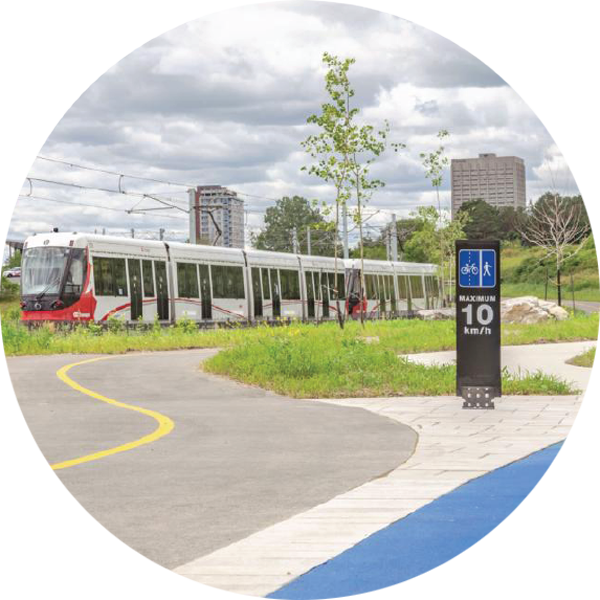
Create connections
Create public infrastructure that promotes sustainable and active transportation.
Six themes

Democracy and meaning
The Capital is a symbol of democracy and the core area must highlight Canada’s democratic, judicial and cultural institutions as a source of pride and a reflection of our layered histories.

Beauty and majesty
The Capital core area must present a dignified character and identity to the world, embodied by the elevated quality of its buildings, landscapes and public spaces.

Sustainability and resilience
The Capital core area must champion sustainability and demonstrate national leadership in climate resilience.

Vibrancy and animation
The Capital core area must be, and project the image of, a dynamic place that offers opportunities for recreational activities, cultural programming and gatherings that infuse it with urban energy and vitality.

Tourism and local economy
The Capital core area must contribute to the economic vitality of the region by supporting tourism, commerce and a diverse mix of uses, services and amenities for visitors and residents.

Mobility and access
The Capital core area must provide a variety of safe and equitable transportation options ensuring an enjoyable mobility experience for residents and visitors, while seamlessly connecting the region.
How Volume I and II work together
Volume I of the Core Area Plan includes the vision, big moves, concept layers and key recommendations. The concept layers organize the Core Area’s primary features and act as policy tools to guide the planning and approval of future projects. These include waterfronts, open spaces, urban fabric, streets and destinations.
Volume II expands on the vision and concept with sector-based recommendations. Its role is to guide project initiation and federal approvals with clear, site-specific opportunities and criteria, and to provide policy for land use, urban design and development. It also provides direction on implementing the plan and monitoring its success in the future.
Engagement
Public engagement was an important part of the development of the National Capital Core Area Plan. The feedback provided by participants informed the drafting of the plan at every stage of the process.
Documents
- National Capital Core Area Plan - Volume I (40.98 MiB)
- National Capital Core Area Plan - Volume II (85.53 MiB)
- National Core Area Plan - Mobility Background Report - April 2025 (12.17 MiB)