Gatineau Park and the Greenbelt are more than places to explore—they are conservation areas. These areas protect many species, including some that are at risk and need those healthy habitats to survive.
The very things we love about these places—vibrant forests, wildlife, a peaceful atmosphere—only exist because they are carefully protected. For nature to keep thriving, now and in the future, we all have a role to play.
And, it’s easier than it sounds. Being a good guest in nature just takes a bit of care and thoughtfulness!
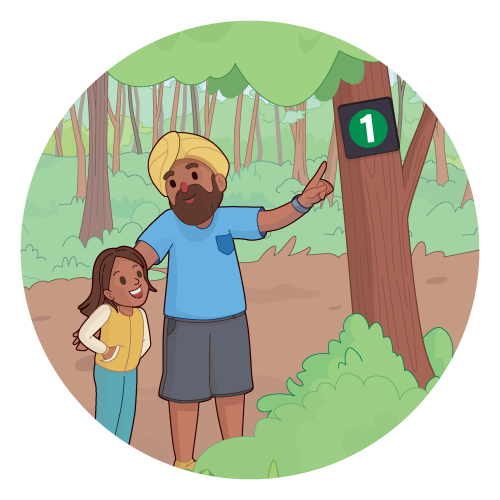
Stay on official marked trails.
There are many reasons to stick to the wide network of official marked trails.
- It’s safer. Official trails are well marked and patrolled. You are less likely to get lost or injured.
- It’s greener. Official trails reduce disruption to animals, plants and their habitats.
- It’s better. Official trails are maintained regularly and guide you to popular sites and viewpoints.
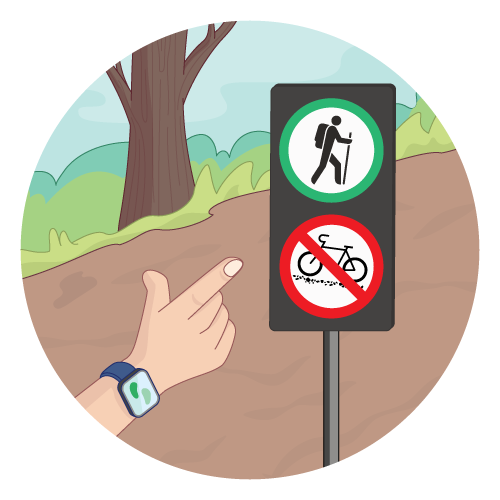
Obey signage.
Conservation areas are designed to protect nature The signs you see have a purpose. Certain areas may be off limits to safeguard wildlife, protect fragile ecosystems, or even ensure your own safety. Certain activities may be restricted for the same reasons. Always obey signage.
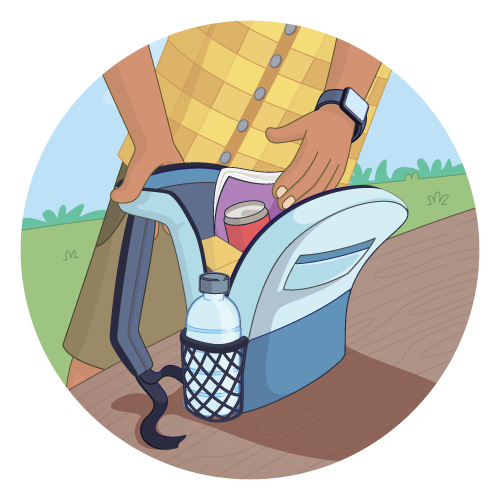
Pack it in, pack it out.
If there are no waste receptacles nearby, take your trash back home with you, where you can dispose of it properly.
Even biodegradable items like fruit peels or food scraps can be harmful. They may attract wildlife closer to the trails, putting you and them at risk.
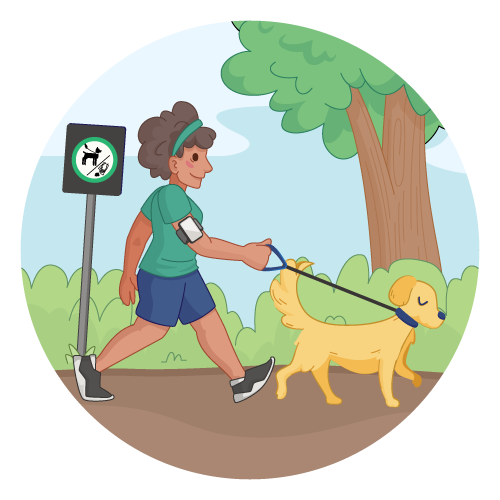
Dogs on leash: only where permitted.
Off-leash dogs, even if well behaved, can harm plants and cause stress to wildlife. Keeping dogs on a leash and only bringing them to locations where they are allowed protects them from getting lost or injured or from picking up parasites and ticks.
Areas where dogs are not allowed are often ecologically sensitive.
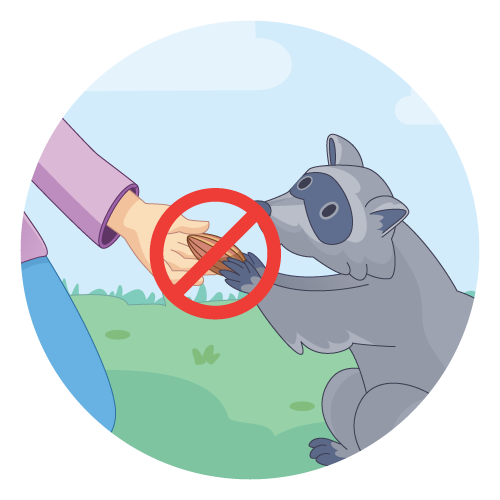
Do not feed the animals.
Nature provides animals with all that they need. Feeding them can make them dependent on people, lead to aggressive behaviour and make them sick.
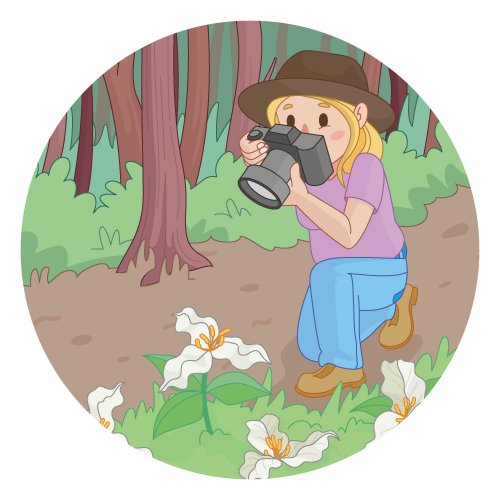
Leave nature as you found it.
Take only photos. Resist the urge to pick flowers, collect rocks or take souvenirs. These small actions add up and over time, they can harm ecosystems and ruin the experience for others.
Do not climb on stone walls or other structures. They may look sturdy, but they can be fragile, historic or home to small animals. Climbing them can cause damage and erosion over time.
Leave only footprints. When you leave things as they are, you help protect the land, and the plants and wildlife that call it home.
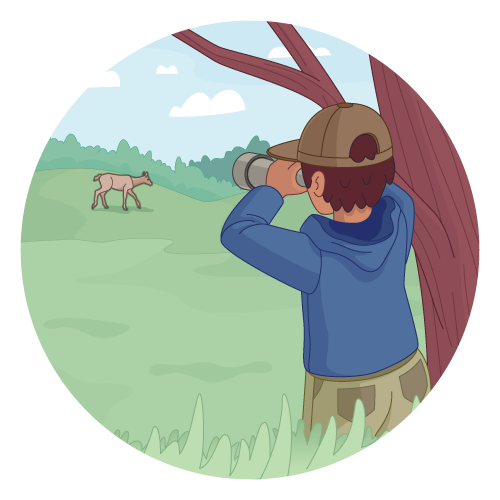
Observe wildlife from a distance.
For your safety and theirs, always keep your distance from wild animals. Being too close can scare them into fleeing or fighting.
Approaching wild animals can also disrupt natural behaviours, like feeding, resting, or caring for their young. By keeping your distance, animals can go about their day without stress, and you also keep yourself safe from harm.
By following these simple steps, you’ll help ensure our beautiful green spaces stay protected for generations to come. Let’s all do our part to keep nature thriving!
Learn more about outdoor ethics with Leave No Trace Canada.