Closures
Please take note of the following before your visit.
Engaging in outdoor activities involves certain risks, and it is always wise to exercise caution. In winter, cold weather can present a real danger. Because forewarned is forearmed, here are some tips to help you prepare for a safe and enjoyable outing in the Greenbelt.
Plan your outing
- Plan your route in advance, and consider trail distance, as well as your own ability and the number of daylight hours before nightfall.
- Tell someone where you are going, and avoid setting out alone on the trails.
- Dress appropriately, and wear footwear that is suited to your activity and the weather conditions.
What to bring
Besides your cellphone for taking photos or making a call, these are the essentials you should have in your backpack:
- Greenbelt All Seasons Trail Map
- Compass, if you do not have a cellphone or GPS
- First aid kit, flashlight, whistle, pocket knife and matches
- Water and food
- Seasonal protection: sunglasses, sunscreen, insect repellent, hat or tuque, gloves, and extra clothing (raincoat, warm clothing)
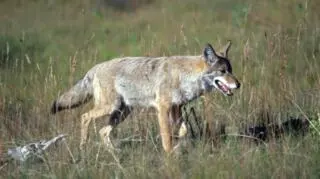
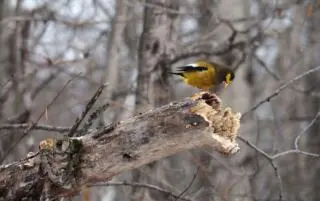
Keep your distance from wild animals
The Greenbelt is the home of wild animals. Keep a safe distance, observe from afar and do not feed any animals.

Rules and guidelines
Here are the main rules and guidelines to follow to help ensure a safe visit to the Greenbelt. It is the responsibility of Greenbelt visitors to know and follow the rules and guidelines, and to act prudently.
- Motorized vehicles, open fires, alcoholic beverages, hunting and trapping are strictly prohibited.
- Follow these seven principles of outdoor ethics.
- Lock your doors, and do not leave valuables in your car.
- Keep your dog on a leash when walking on the multi-use pathways, and observe trail signage indicating where you may walk your leashed dog on natural trails.
- When cycling on non-paved Greenbelt multi-use pathways, please do so only when they are hard-packed, to avoid causing ruts or erosion.
- Several trails and pathways pass next to farmland. Please respect the farmers who earn their living from these lands, and stay on the trail.
In the winter
- Ice-covered waterways are dangerous, and should be avoided at all times.
- Do not walk or snowshoe on or near cross-country ski trails.
Check the web page for your activity to find out about the ethics code, rules and other useful information for your outing.