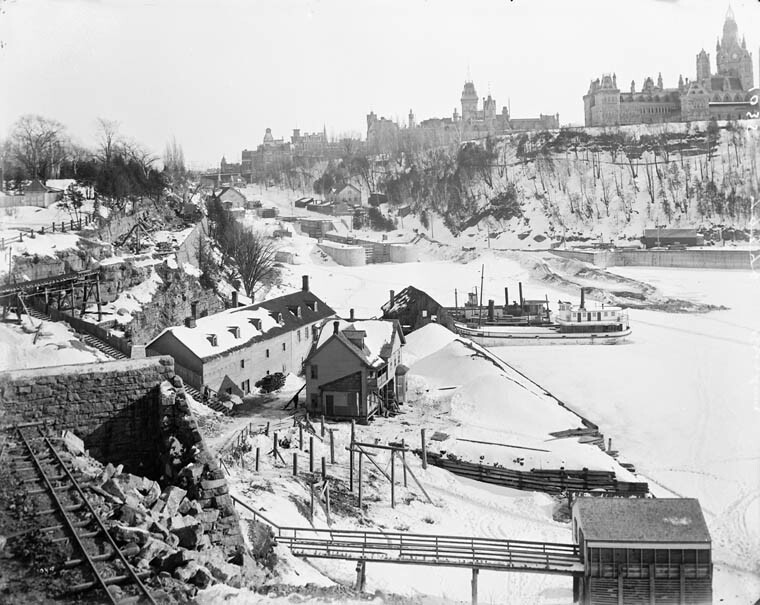
Ottawa wasn’t always the beautiful capital we know today. In fact, it used to be anything but beautiful. Prime Minister Sir Wilfrid Laurier famously called it “not a handsome city.” At the turn of the 20th century, it was easy to see why. Sawmills and factories lined the river, smoke blanketed the skyline and railway lines cut through the downtown—a far cry from the capital of a country with growing national pride.
Laurier had a different vision. In 1899, his government created the Ottawa Improvement Commission (OIC), the NCC’s first predecessor. This early body was tasked with turning the rough lumber town into a dignified capital. And so began more than a century of bold federal city building, a legacy that continues today.
The ideas that shaped the Capital didn’t end in the past. Through long-term planning and public input, the NCC continues to build a Capital that reflects the values and aspirations of Canadians today.
Here are two of the big ideas that helped transform the Capital.
Parks everywhere!
By the close of the 19th century, the idea of public parks was not common in Ottawa. However, the early efforts of the OIC in its first two decades changed this.
By 1925, the OIC was maintaining a growing network of parks and parkways. This marks the early development of the green spaces we enjoy across the Capital today.
Todd’s vision: A city of parks and parkways
Four years after its creation, the OIC brought in Frederick Todd, a pioneer in landscape architecture, to help reimagine the Capital. His 1903 beautification plan, known as the Todd Report, envisioned a city with large natural parks linked by scenic parkways.
The Todd Report proposed:
- a ceremonial boulevard linking Rideau Hall and Parliament Hill;
- the protection of large natural parks around the Capital;
- improvements to the north of the Ottawa River, in Gatineau.
His ideas laid the foundation for decades of planning. Later city-shaping visions, including those by Edward H. Bennett (1915), Noulan Cauchon (1922) and Jacques Gréber (1950), all built on Todd’s work.
Bold beginnings
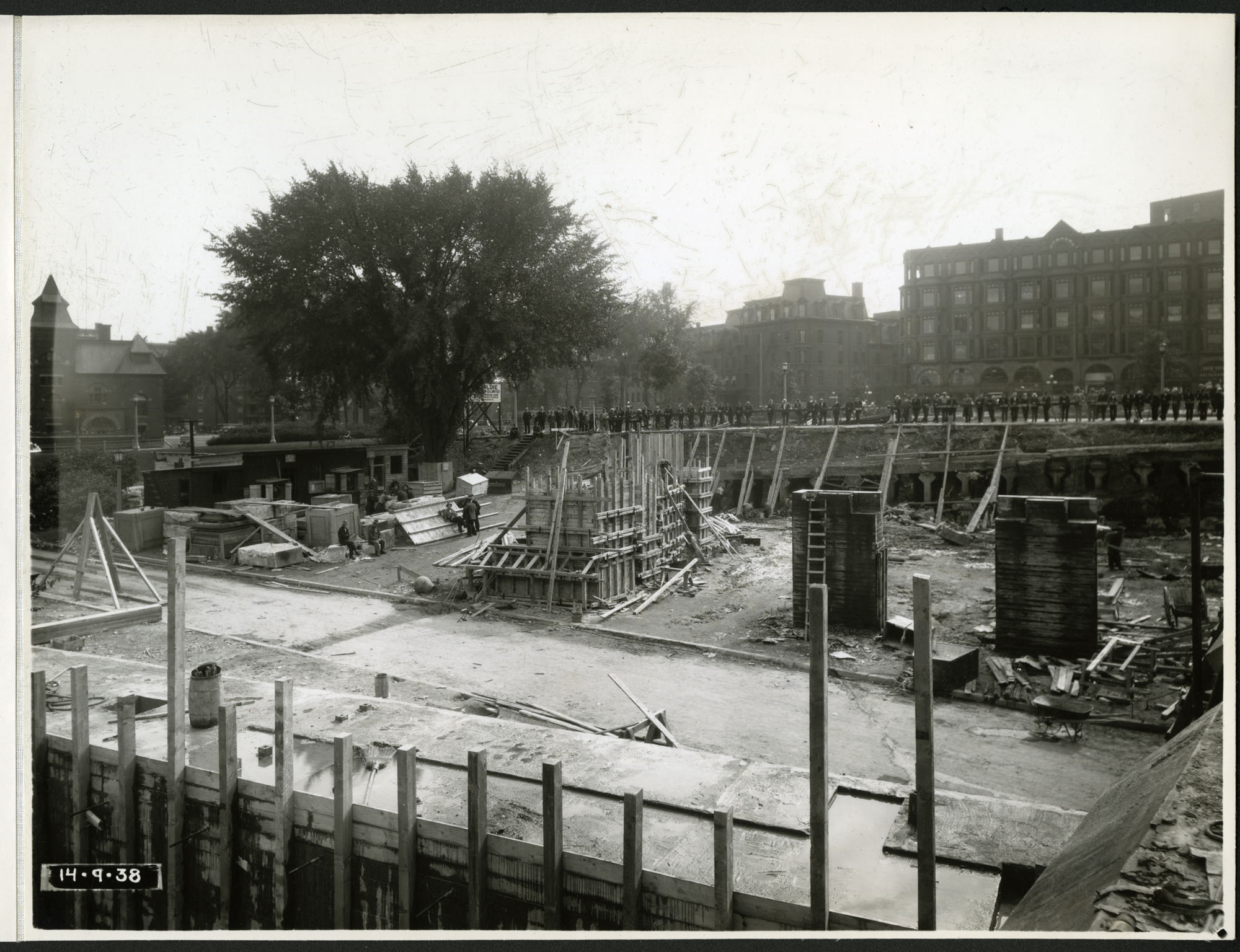
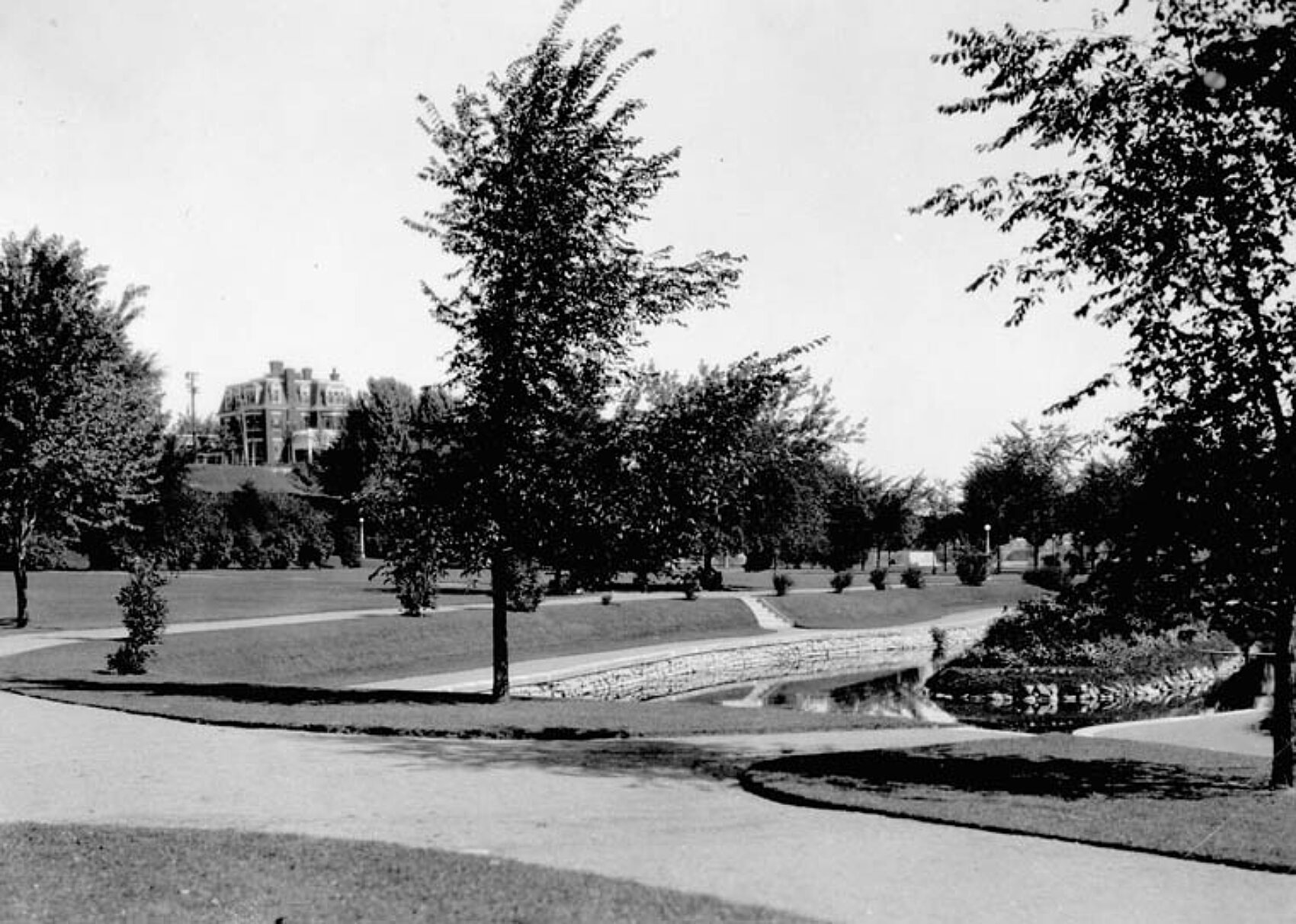
One of the OIC’s first projects was to clean up the banks of the Rideau Canal. The Improvement Commission started to create the Rideau Canal Driveway, now the Queen Elizabeth Driveway, in 1899 as a scenic route to Parliament Hill, lined with beautiful public spaces. Todd applauded the effort and recommended adding to it, with the creation of Patterson Creek Park, for example.
Today, it’s easy to say that this picturesque driveway was a great idea. But at the turn of the 20th century, the idea of transforming neglected industrial areas into welcoming public spaces was visionary.
A legacy of green spaces
Many of the parks we enjoy today were born from the OIC’s early efforts. As the city grew, the OIC transferred many parks to municipal responsibility so it could focus on larger federal projects.
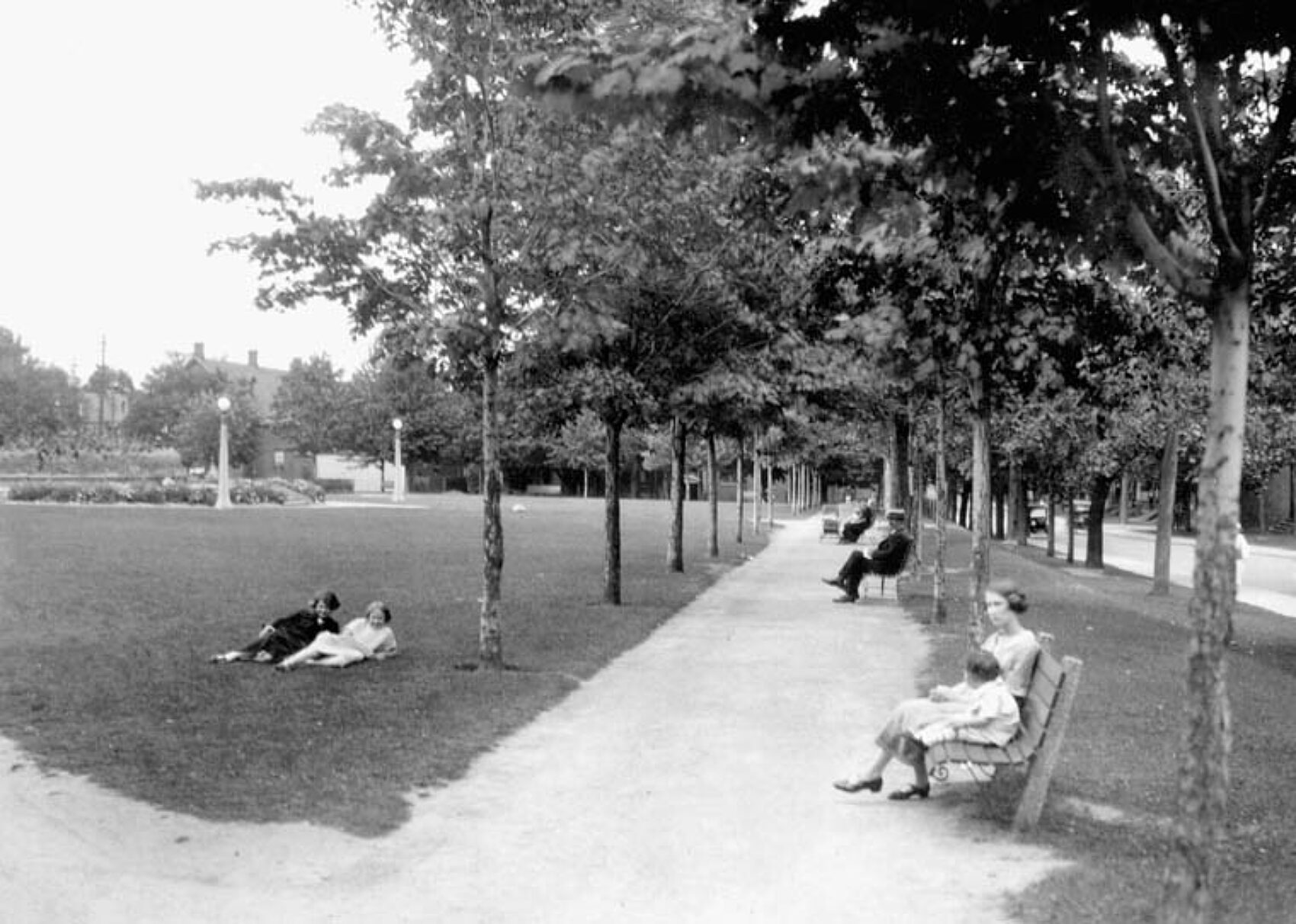
In some city parks, you can still spot the OIC’s touch, like the distinctive lampposts with white glass globe designs dating back to 1916. These historic fixtures, also found along the Rideau Canal, are visible in parks such as:
- Macdonald Gardens Park
- Dundonald Park
- Strathcona Park
Out with the rails
In the early 20th century, railway lines crisscrossed Ottawa’s downtown area. Tracks and rail yards divided neighbourhoods, contributed to congestion, and were seen as an industrial blight. Hardly the image of a national capital.
For some, industries represented economic prosperity, but many planners saw them as marring the potential beauty of our river shores.
A long time coming
Ideas to move the railways had been around for decades, dating back to the 1914 Holt Report and the 1922 Cauchon Plan. But change wouldn’t come quickly. The OIC didn’t have the authority or resources to act.
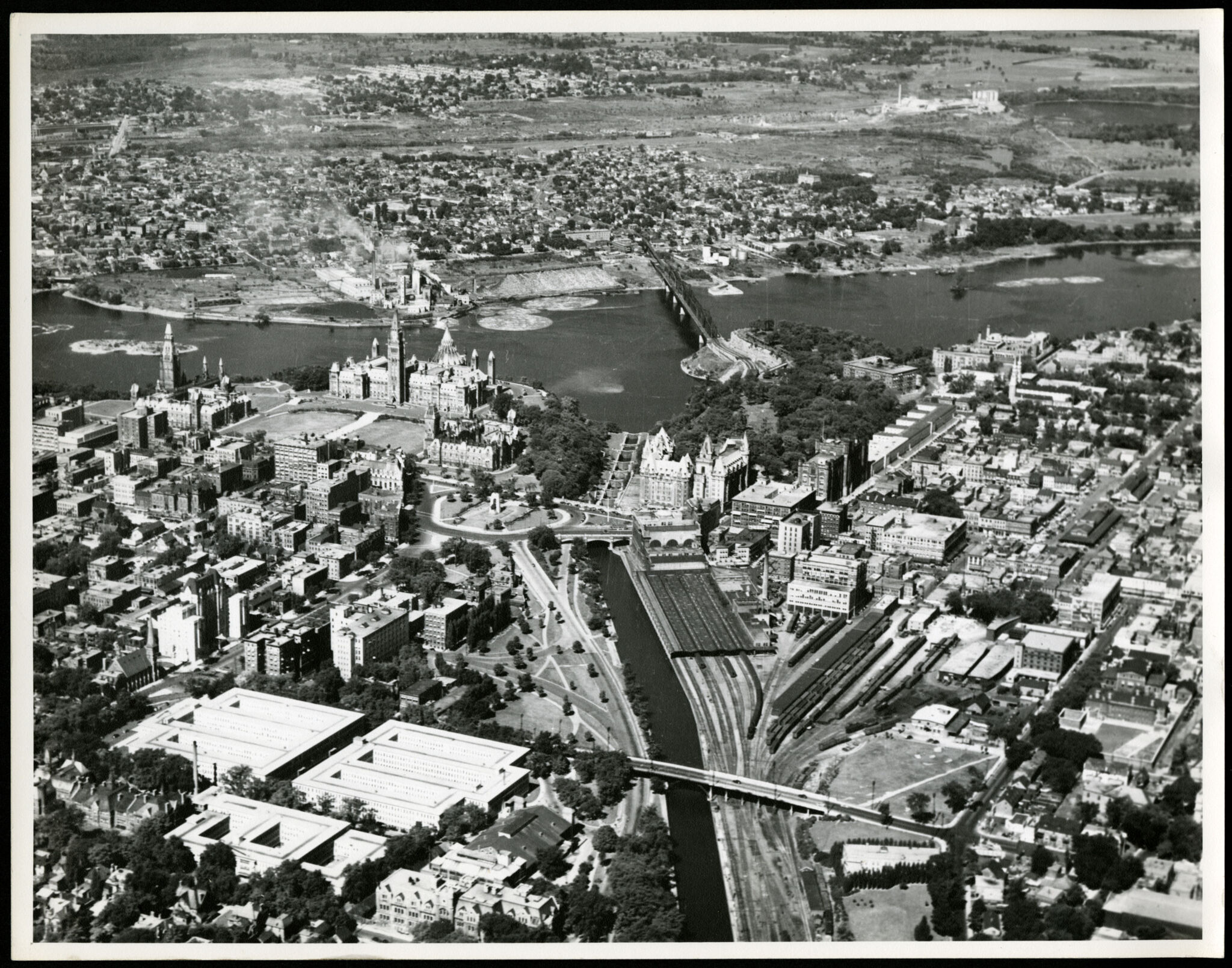
Continuing to advance Capital beautification was a preoccupation of Prime Minister William Lyon Mackenzie King. As such, he brought in renowned French planner Jacques Gréber to reimagine Ottawa. Building on Holt and Cauchon’s ideas, Gréber’s 1950 plan called for the relocation of the railway and the conversion of waterfront lands into scenic parkways.
Still, it wasn’t until 1958, with the passing of the National Capital Act and the creation of the National Capital Commission, that what was envisioned to beautify the Capital finally had the powers, funds and ability to move forward.
Less rail, more space
Getting the railways and industry out of Ottawa’s downtown core and away from its shorelines made way for more public spaces. Some of the best-known and most scenic Capital pathways, parkways and other transportation infrastructure are now located where railways once ran.
This shift not only opened space but also gave Ottawa the chance to reconnect with its waterways, laying the foundation for a greener, more people-friendly Capital. Recent projects, like Kìwekì Point, Westboro Beach and the NCC River House, continue to build on this legacy.
Ottawa’s journey from a “not handsome” city to a beautiful, green capital didn’t happen overnight. It is the result of a long-term vision and decades of thoughtful planning, often built on the work of past generations.
This legacy continues today. The NCC is still shaping the Capital to meet new challenges, from sustainability and climate resilience to creating more inclusive, accessible public spaces.
And that work isn’t done. Just as bold ideas shaped yesterday’s Capital, today’s plans are being built with your input. Sign up for our Public Engagement newsletter to stay informed and help shape the next chapter of our Capital.