Invasive exotic species are a main driver of biodiversity loss across the world. They can displace native species, harm ecosystems, and disrupt various activities, from agriculture to recreation. Invasive exotic species can cause serious economic, social and environmental damage.
Over the years, we at the NCC have recorded about 60 species of invasive exotic plants on the lands we manage.
Prevention is the most effective way to stop invasive plants from spreading. But even with prevention efforts, some invasive exotic species will still make their way into new areas. Early detection and swift action can significantly reduce the spread of these harmful plants.
Here is how we prevent and manage invasive exotic plants, and how you can help!
- Build cleaning protocols and control practices into NCC-managed lands maintenance contracts.
- Prioritize control actions in natural habitats, high-value ecosystems, and areas where there is a risk to human health.
- Plan control actions based on the biology of the plants, using both manual and mechanical methods.
- Dispose of invasive plants following Ontario Invasive Plant Council's best practices.
- Only use official trails: Using unofficial trails damages habitats, spreads invasive species, and can expose people to harmful plants.
- Inspect and clean personal effects: Remove dirt, plants and bugs from shoes, clothing and gear before you leave a natural area.
- Keep dogs on leash: Only bring your pets where they are allowed, and groom them after your outing.
- Adopt good gardening practices: Don’t plant invasive species in your own garden or yard. Research native alternatives to support biodiversity.
- Report your sightings: Learn to identify common invasive plan species and report any sightings using EDDMapS (Ontario) or Sentinelle (Quebec, French only).
- Continue to learn: Join our Citizen Science program in Gatineau Park, or join your community association’s efforts to control invasive plants.
- Goutweed (Aegopodium podagraria)
- Garlic Mustard (Alliaria petiolata)
- Flowering-rush (Butomus umbellatus)
- Oriental Bittersweet (Celastrus orbiculatus)
- Japanese Knotweed (Fallopia japonica)
- Glossy Buckthorn (Frangula alnus)
- Smooth Bedstraw (Galium mollugo)
- European Frog-bit (Hydrocharis morsus-ranae)
- Purple Jewelweed (Impatiens glandulifera)
- Yellow Iris (Iris pseudacorus)
- Honeysuckle sp. (Lonicera maacki, L. morrowii, L. tatarica)
- Purple Loosestrife (Lythrum salicaria)
- Eurasian water-milfoil (Myriophyllum spicatum)
- Wild Parsnip (Pastinaca sativa)
- European Reed (Phragmites australis)
- European Buckthorn (Rhamnus cathartica)
- Lesser Periwinkle (Vinca minor)
- Black Swallowwort (Vincetoxicum nigrum)
- European Swallowwort (Vincetoxicum rossicum)
Completed and ongoing activities
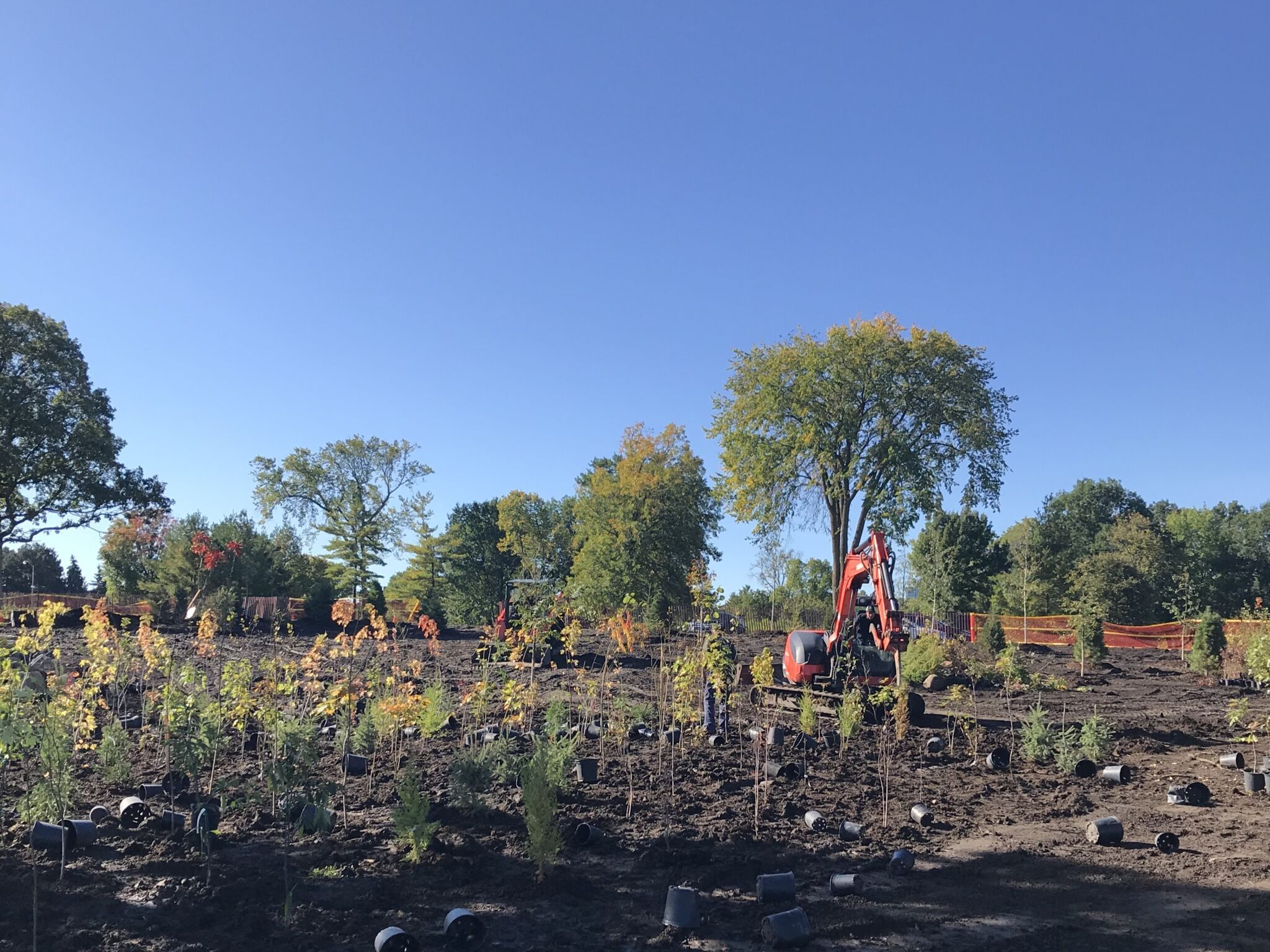
Remic Rapids Park Restoration Project
Invasive exotic plants used to be predominant in this location. Today, it is a healthy, functional natural area with ample of space for wildlife to live, breed and find food.
Through the work of the NCC, the Rideau Valley Conservation Authority and volunteers, the spread of buckthorn has been controlled in a 9,000 m2 area next to Remic Rapids Park. This area was replanted and seeded with a variety of native species. This natural environment has been restored to a healthy, functioning natural area.
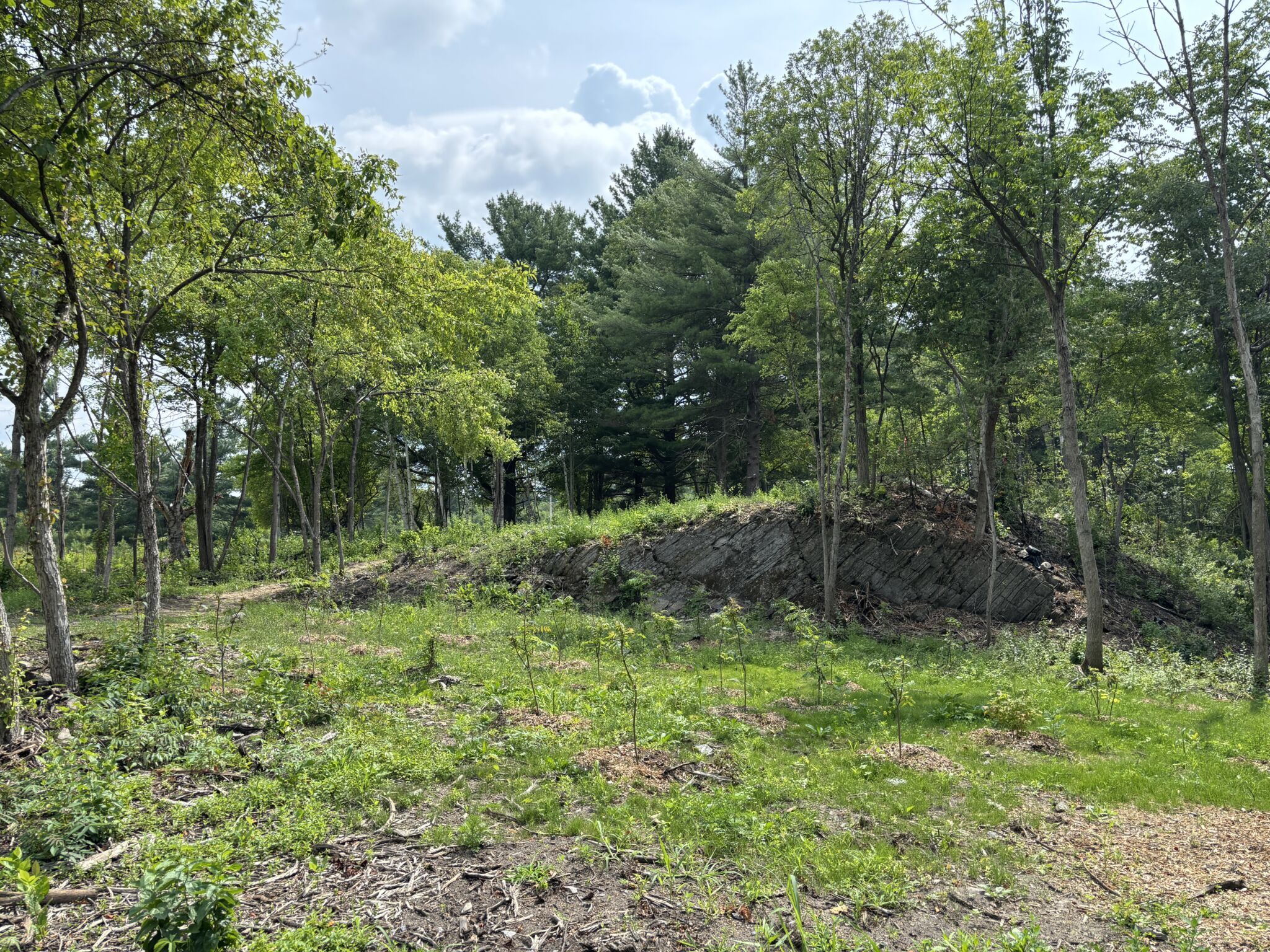
Lac-des-Fées Area Restoration Project
The Lac-des-Fées area is an ecologically sensitive habitat invaded by buckthorn, an invasive alien shrub. Its rapid growth deprives native species of light and harms biodiversity.
The NCC hired a contractor to remove two acres of buckthorn between December 2024 and January 2025. Native trees, shrubs and seed mix were planted in spring 2025. Watering the young plants and controlling buckthorn regrowth will ensure the success of this ecological restoration project.
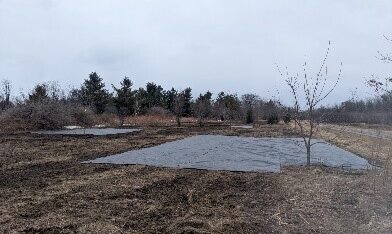
Experimental Farm Pathway Restoration Project
The European spindletree is a new invasive species that can deprive native species of sunlight. Members of the public notified the NCC about its presence along the Experimental Farm Pathway.
Before this invasive species gains a foothold in the region, we removed two hectares of have restored the area in fall 2025.
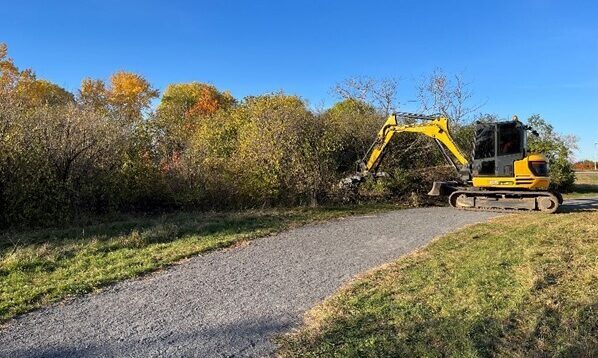
Atlantis Woods Restoration Project
Atlantis Woods, in the Westboro neighbourhood of Ottawa, is invaded by buckthorn, a widespread invasive shrub. In 2024, in collaboration with the Westboro Beach Community Association and the Rideau Valley Conservation Authority, the NCC removed buckthorn in the area. The Rideau Valley Conservation Authority organized planting events in controlled areas in spring 2025.
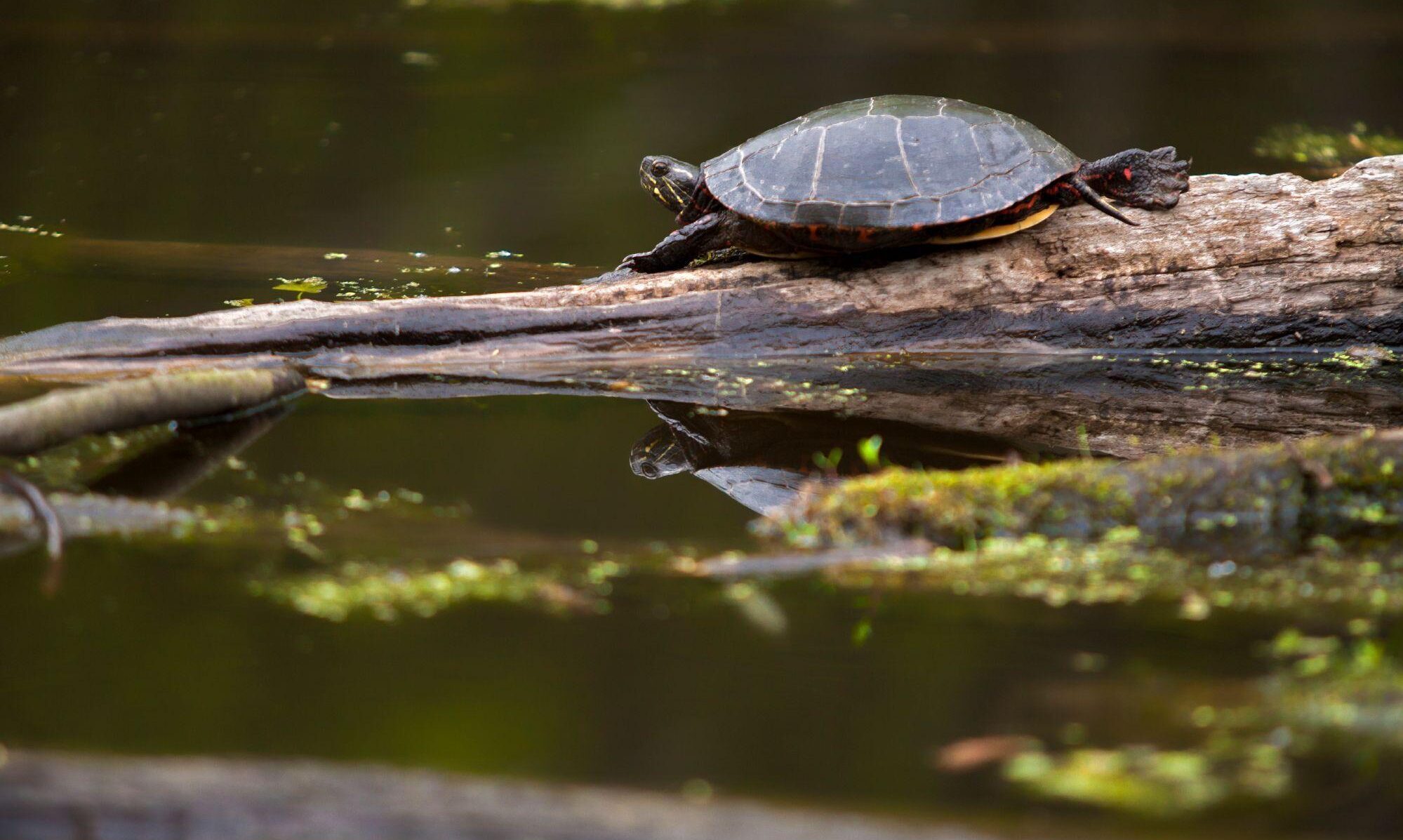
Mud Lake Vegetation Management Project
This project is aimed at controlling invasive alien plants and restoring the vegetation cover, in order to protect the ecological integrity of this very important urban natural environment. Since 2015, over 450 volunteer hours have been devoted to this project, which has removed more than 9,500 kg of invasive alien plants over an area of more than 7,500 m2.
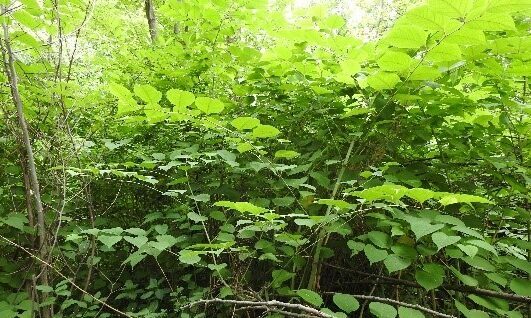
Japanese Knotweed Control Project in Hampton Park
In fall 2020, in collaboration with the Friends of Hampton Park, the NCC carried out a project to control Japanese knotweed. This invasive alien species is threatening the natural habitat and native species at this site.
Many colonies were removed by hand and covered with geotextile fabric and woodchips over a total area of 900 m2. Various native species were replanted in controlled areas. Informational signs are in place.
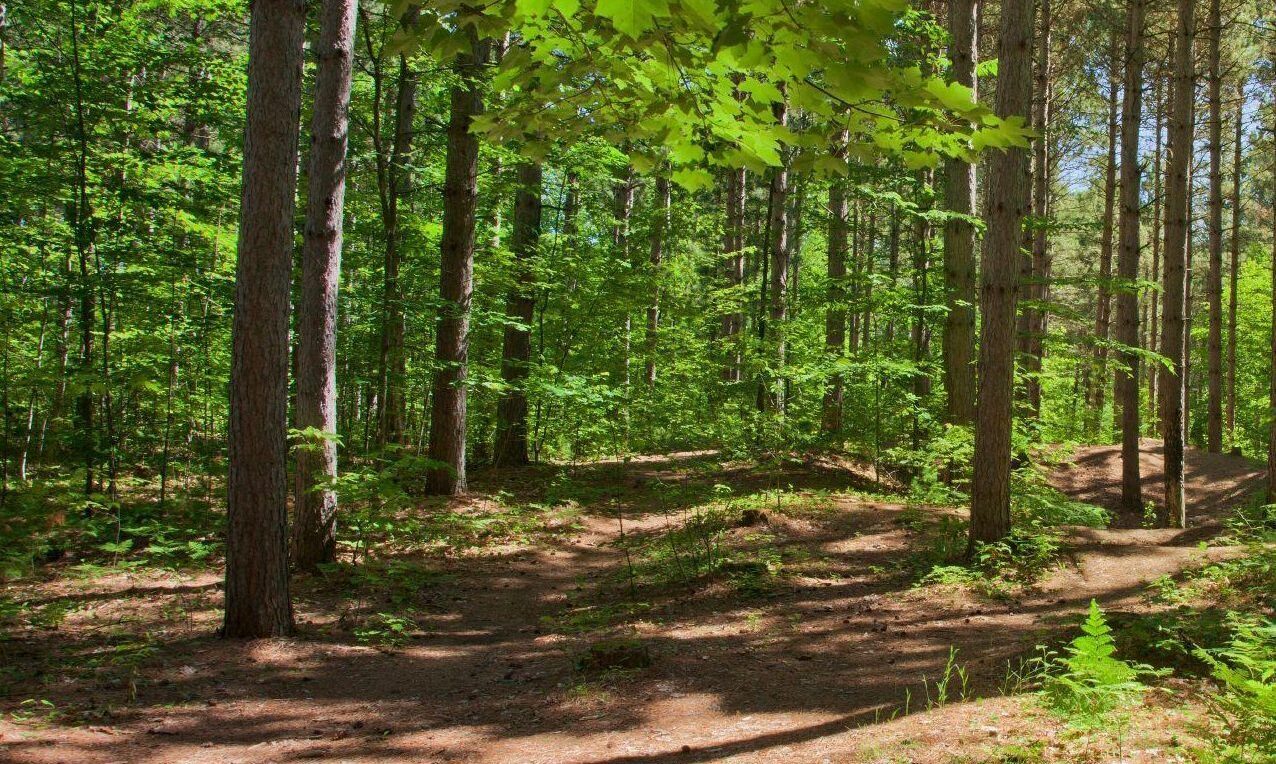
Pinhey Forest Dune Restoration Project
Several invasive alien plants have been removed, and the natural habitat of this environment has been restored. Glossy buckthorn had become established in the undergrowth beneath red pines that were planted at the top of the dunes. Control measures have allowed us to clear the dunes and reintroduce native species that were present in the past.
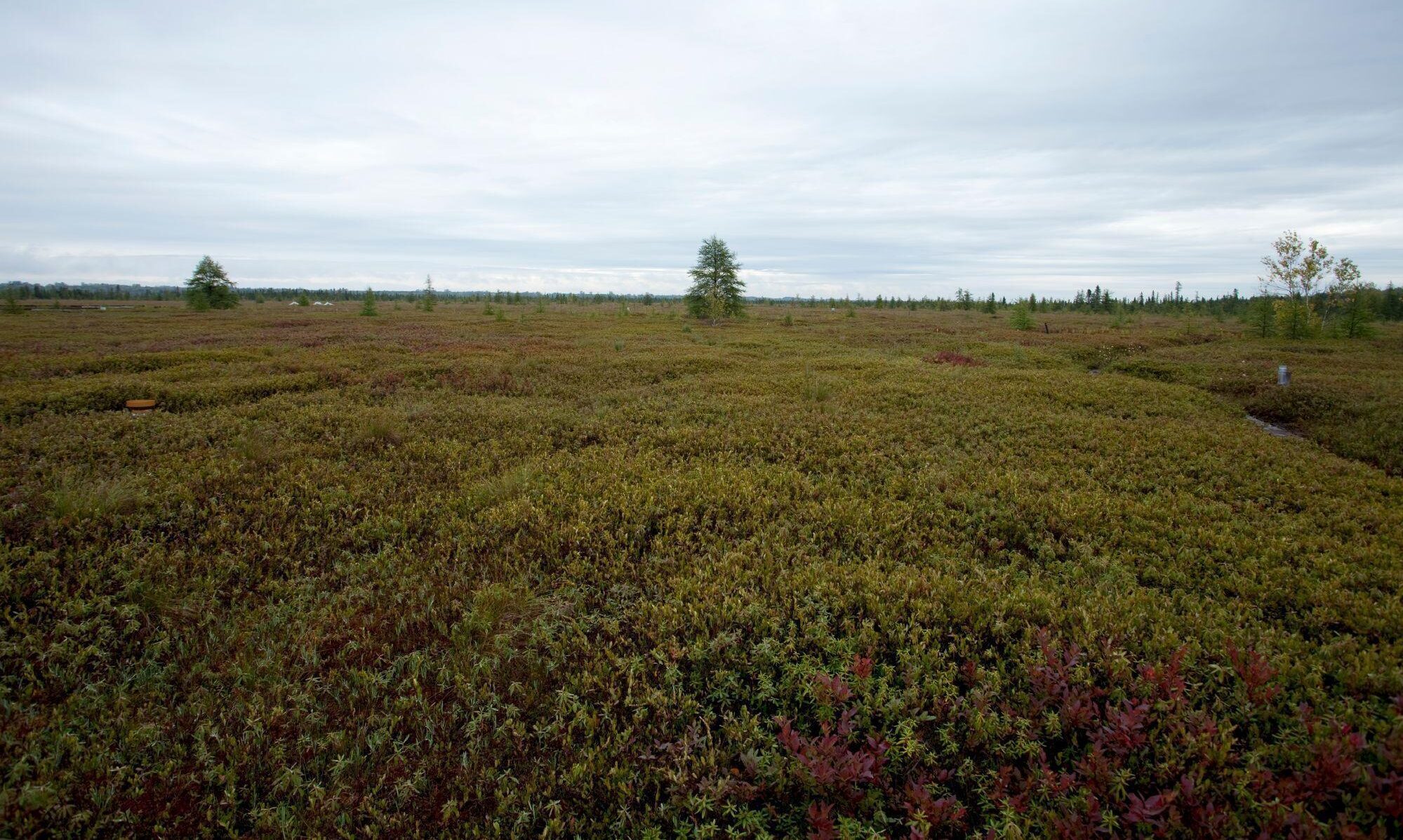
Black Rapids Creek Wetland Restoration Project
Along Black Rapids Creek, glossy and common buckthorn have been removed, as they were dominating the land and shoreline habitat. These control measures have allowed various native plants to thrive once again.
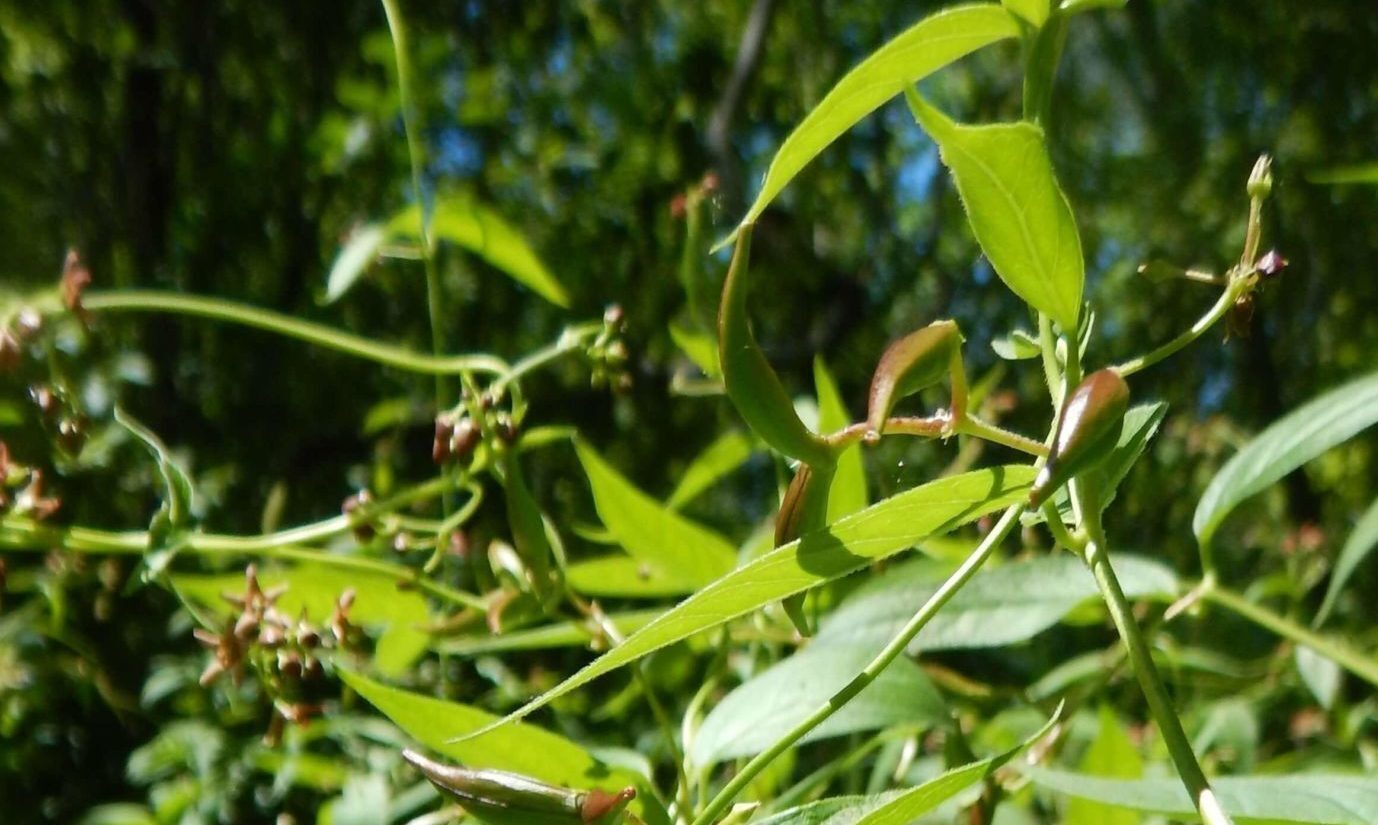
Habitat Restoration Project in the Kingsmere and Gamelin Sectors
Dog-strangling vine has invaded some habitats in Gatineau Park, where it threatens native species. A project aimed at removing this plant is being carried out in the Park’s Kingsmere (P7) and Gamelin sectors. Since 2015, dog-strangling vine has been removed in the month of July. Geotextile fabric has been installed in some areas. In 2021, we planted 30 native shrubs, as the last step in this restoration project.
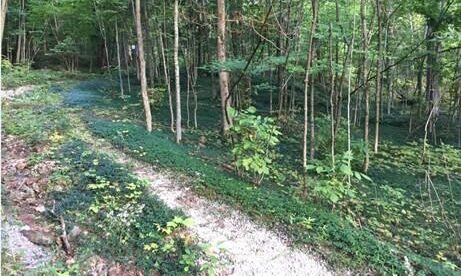
Habitat Restoration Project in the Trail 60 Sector
Common periwinkle is an ornamental plant that originated in Europe and West Asia and has been introduced in several parts of North America. Its presence in Gatineau Park threatens the habitat of native plants, some of which are vulnerable.
Since 2018, this plant has been pulled out by hand in an area covering more than 2249 m2 by people participating in a citizen science program, in collaboration with the Friends of Gatineau Park. In 2021, we planted 70 native plants to help restore the integrity of this natural environment.