Join us for the next Urbanism Lab as we discuss the National Capital Greenbelt. Spanning more than 20,000 hectares, it is the most ecologically diverse landscape in Eastern Ontario. Its farms, forests and wetlands form a unique network of green spaces that continue to shape the region’s environmental health and identity.
During this panel discussion, experts will examine the Greenbelt’s potential as a vibrant resource for local agriculture, ecological services and recreation. They will share insights into how other regional greenbelts, parks and reserves address questions of land use, management and decision-making. The conversation will also provide a forward-looking perspective on the Greenbelt’s evolving identity and role in the National Capital Region as we begin public consultations for the Greenbelt Master Plan renewal.
Date and location
Wednesday, March 25, 2026
- Light refreshments will be served starting at 11:30 am
- Panel discussion from noon to 1 pm
- Question period until 1:20 pm (optional)
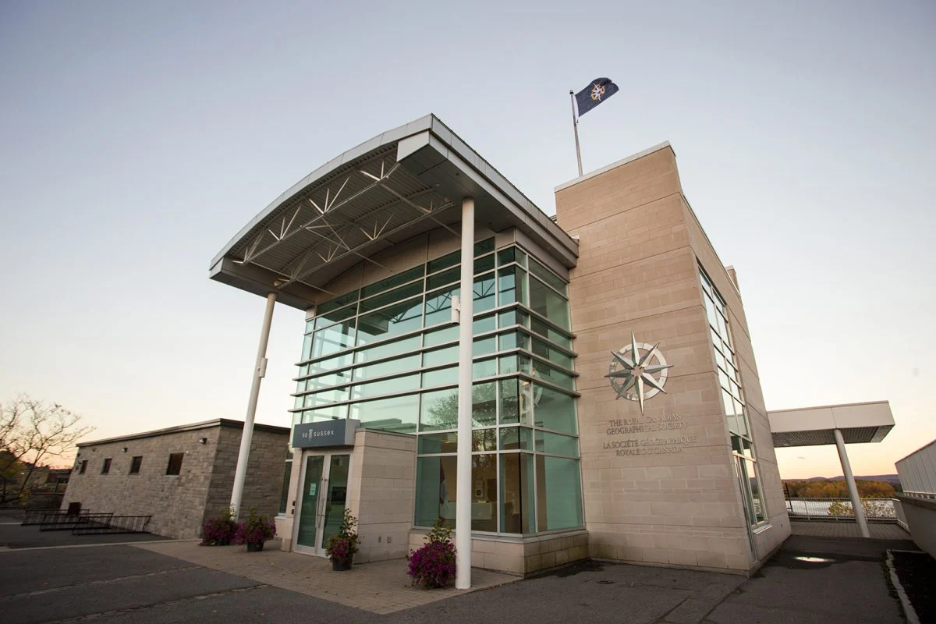
Royal Canadian Geographical Society
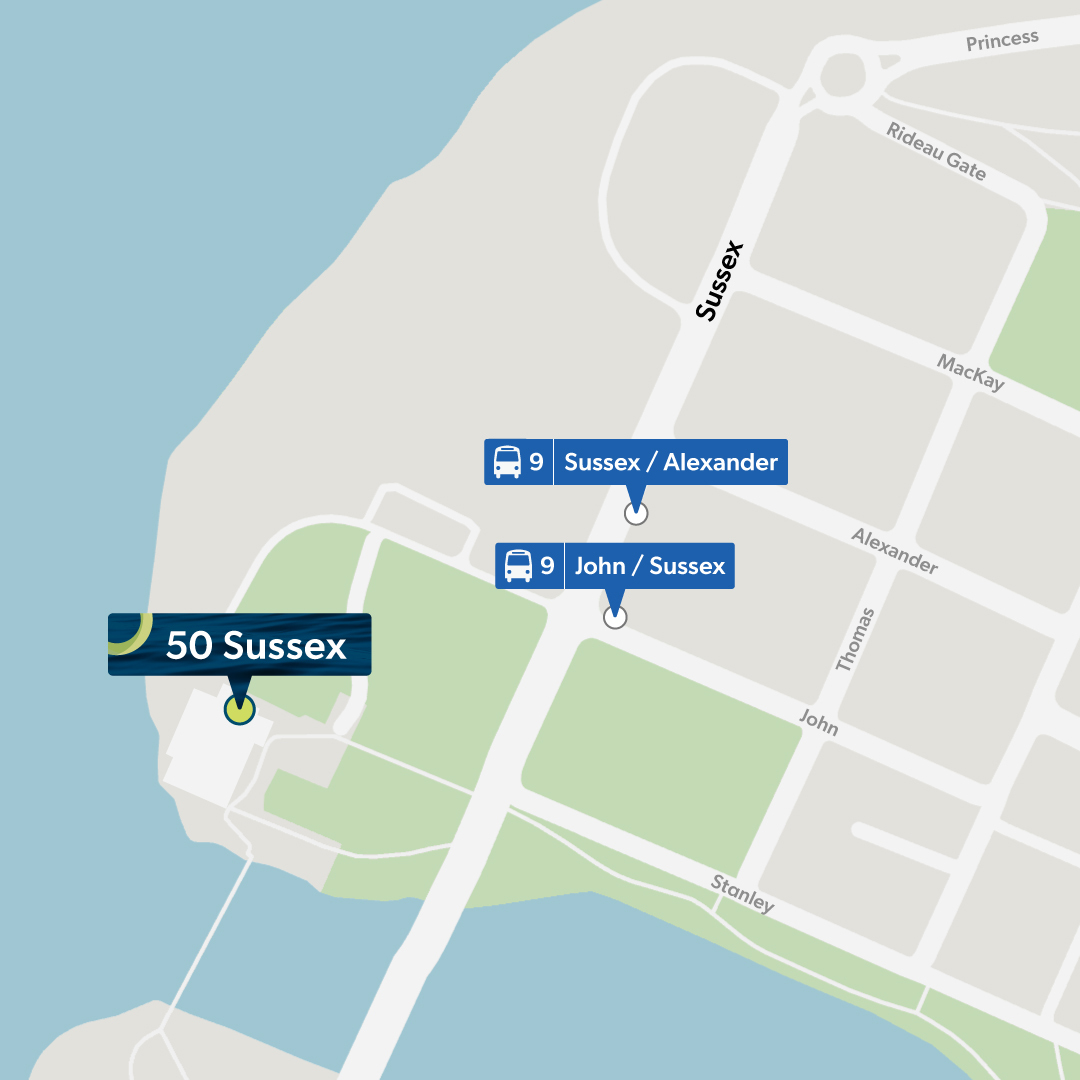
50 Sussex Drive, Ottawa, Ontario
Good to know
Sessions are free and bilingual with simultaneous interpretation.
How to get there
Urbanism Lab attendees are encouraged to use public transportation (OC Transpo Route 9) or opt for street parking.
Parking is limited at the Royal Canadian Geographical Society. If parking on nearby streets, please check posted signs for restrictions.
Our featured speakers
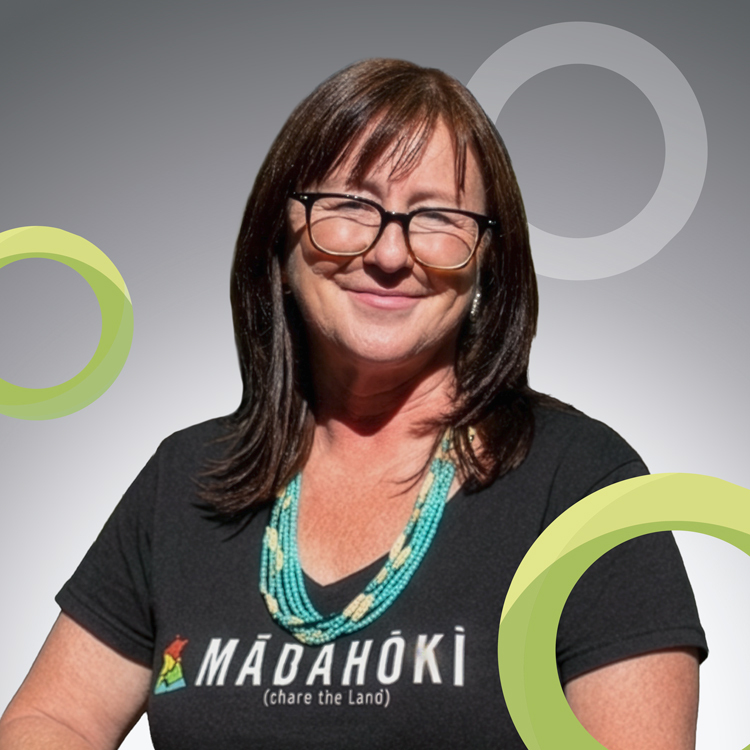
Trina Mather-Simard, CEO, Mādahòkì Farm
Trina Mather-Simard is a proud status member of Curve Lake First Nation and an active member of the urban Indigenous community on the traditional Algonquin Territory of Ottawa. She has been a leader in Indigenous tourism at the regional, provincial and national levels for 26 years.
Trina’s work in Indigenous tourism began in 2000, when she opened Canada’s first urban Indigenous cultural tourism experience on Victoria Island. In 2005, she launched the Summer Solstice Indigenous Festival, which now welcomes more than 60,000 visitors during National Indigenous History Month and concludes at Wesley Clover Parks with a Pow Wow and multi‑arts celebration.
In 2021, Trina and her team opened Mādahòkì Farm, Canada’s largest working Indigenous agritourism experience. The farm is home to the rare Ojibwe Spirit Horses and sits on 164 acres within the National Capital Greenbelt. Mādahòkì Farm means “to share the land.”
The farm has grown into a sustainable social enterprise with more than eighteen staff, the majority of whom are Indigenous. It now generates over three million dollars annually through funding, sponsorship and self‑generated revenues. Over the next five years, the team plans further development to enhance visitors’ experiences. The land also supports urban Indigenous communities through land‑based learning, hide tanning, sweat lodges, sacred fires and related cultural practices.

Richard Scott, Senior Planner, Parks Canada
Richard Scott’s career in environmental, regional and park planning spans more than three decades. He began his career with the National Capital Commission (NCC) in 1987, where he served as project manager for the 1996 Greenbelt Master Plan.
After joining Parks Canada in 2006, Richard served on the secretariat for the Panel on the Future of the Trent–Severn Waterway and later became a planner for the waterway. From 2012 to 2020, he worked on the planning of the new Rouge National Urban Park on Toronto’s eastern outskirts. The Rouge brought Richard full circle back to the exciting challenge of planning for diverse near-urban rural and natural landscapes.
Richard also serves as a member of the Peterborough Bicycle Advisory Committee and on the Board of Trans Canada Trail Ontario.

Leanna Wigboldus, PhD, Heritage Contractor, Cultural Spaces
Leanna is a heritage professional and lead researcher at Cultural Spaces, where she has worked for the past two years. She has collaborated with national and international heritage organizations and academic institutions. Her partners include: the International Council on Monuments and Sites (ICOMOS), the International Centre for the Study of the Preservation and Restoration of Cultural Property (ICCROM), the International Union for Conservation of Nature (IUCN) and the Canadian Association of Heritage Professionals (CAHP).
Leanna holds an MSc in World Heritage Management and Conservation and a PhD in World Heritage Studies; both degrees are from University College Dublin. She has taught heritage studies at undergraduate and master’s levels.
Her research explores historic cultural landscapes and the impacts of climate change on heritage sites. She also examines how social and intangible heritage shape conservation and management practices. Together, these interests guide her work in promoting thoughtful and inclusive approaches to heritage stewardship.

Moderated by:
Andrew Sacret, RPP, MCIP, Chief of Planning and Design
Andrew Sacret is currently the chief of planning and design at the NCC. He and his team have delivered several challenging planning projects in the last few years, including major updates to the Gatineau Park Master Plan and the Capital Pathway Strategic Plan, as well as the development of new Capital Design Guidelines.
Andrew previously worked as a campus planner at the University of Ottawa, as director of policy and public affairs at the Canadian Institute of Planners (CIP), as a town planning advisor with Cuso International, and as a senior planner at Fotenn, an urban design and landscape architecture firm. He holds a Master of Urban and Regional Planning from Queen’s University.
Accessibility
The venue is wheelchair accessible, and simultaneous interpretation in both official languages will be offered. We strive to host inclusive and accessible events. If you need accommodation, please let us know as soon as possible.
Register today
Space is limited, so register today!
Stay informed
If you are interested in receiving information about future Urbanism Lab events, please sign up for the newsletter.