Author: Catherine Verreault, Director, Quebec urban lands and Gatineau Park
This blog features Gatineau Park’s most loyal and plentiful visitors; its followers number in the thousands, and are active 24 hours a day, 365 days a year. Who could they be? None other than the park’s plants and animals!
Gatineau Park includes…
- more than 50 species of mammals;
- close to 230 species of birds;
- several species of reptiles and amphibians, and thousands of invertebrates;
- more than 1,000 species of plants and about 50 types of trees.
And these restless species are constantly on the move. How do they get around and why is it so important? This blog takes a look at the world of biodiversity, ecology and conservation, and how it connects to human activity in more ways than you may realize.
Corridors for wildlife…
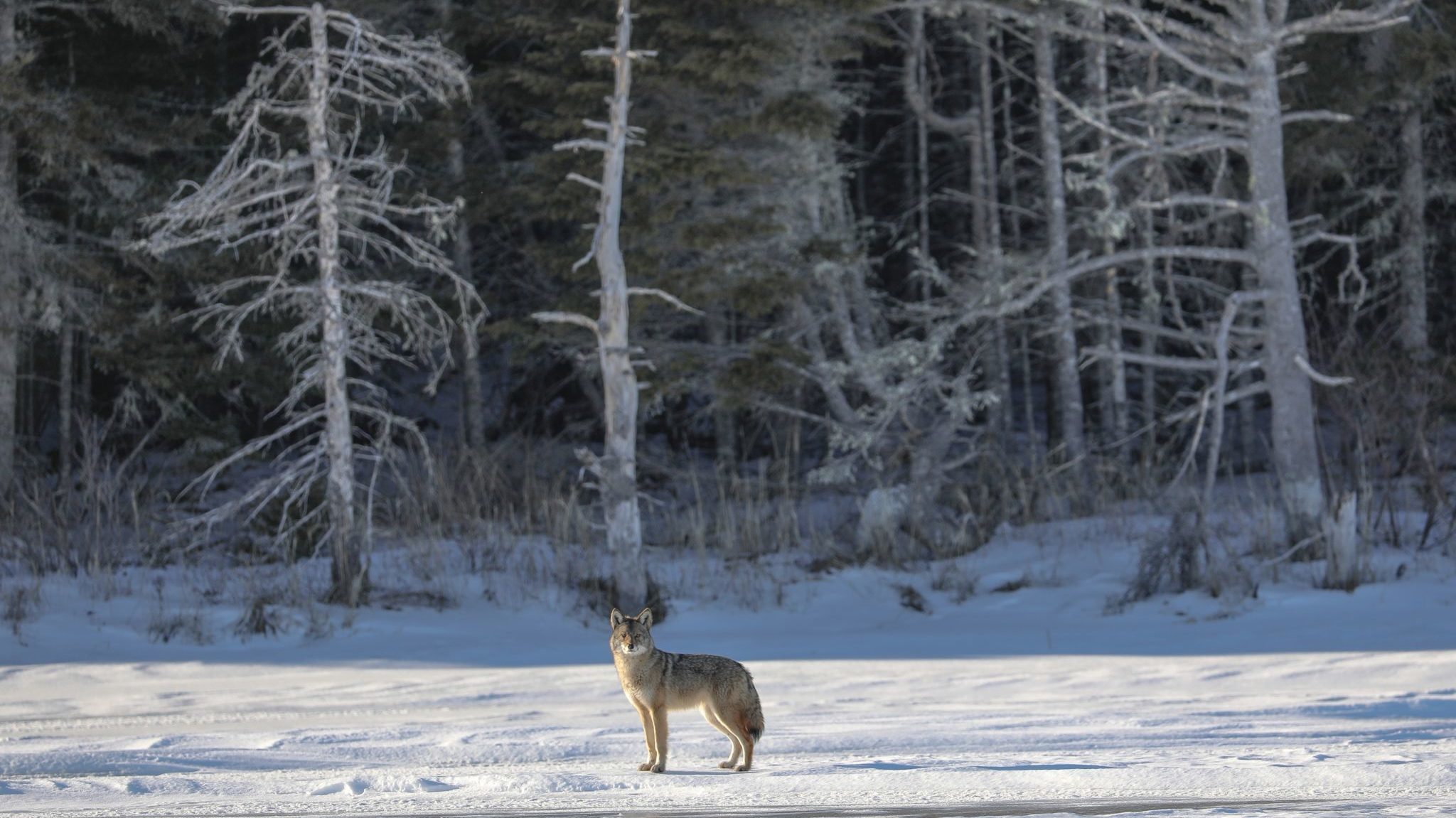
Did you know that an eastern coyote’s home range varies from 7 to 80 km2 and that it can travel 160 km in search of food? Or that a male black bear can occupy a 60 to 173 km2 territory? Like many other species, bears and coyotes depend on what are called ecological corridors.
Ecological corridors are parts of an area that connect different natural environments. They can be natural watercourses, wooded areas, trees and shrubs that function as windbreaks, forests and fields. They allow animals to roam from one environment to another, especially to reproduce with genetically diverse mates.
Ecological corridors are therefore essential for ensuring genetic diversity within a species and in maintaining resiliency in ecosystems. The richer and more diversified an ecosystem is in species and genetically, the stronger and more resilient it is to any type of disruption.
…and for plants!
Plants use ecological corridors too. That’s right, plants!
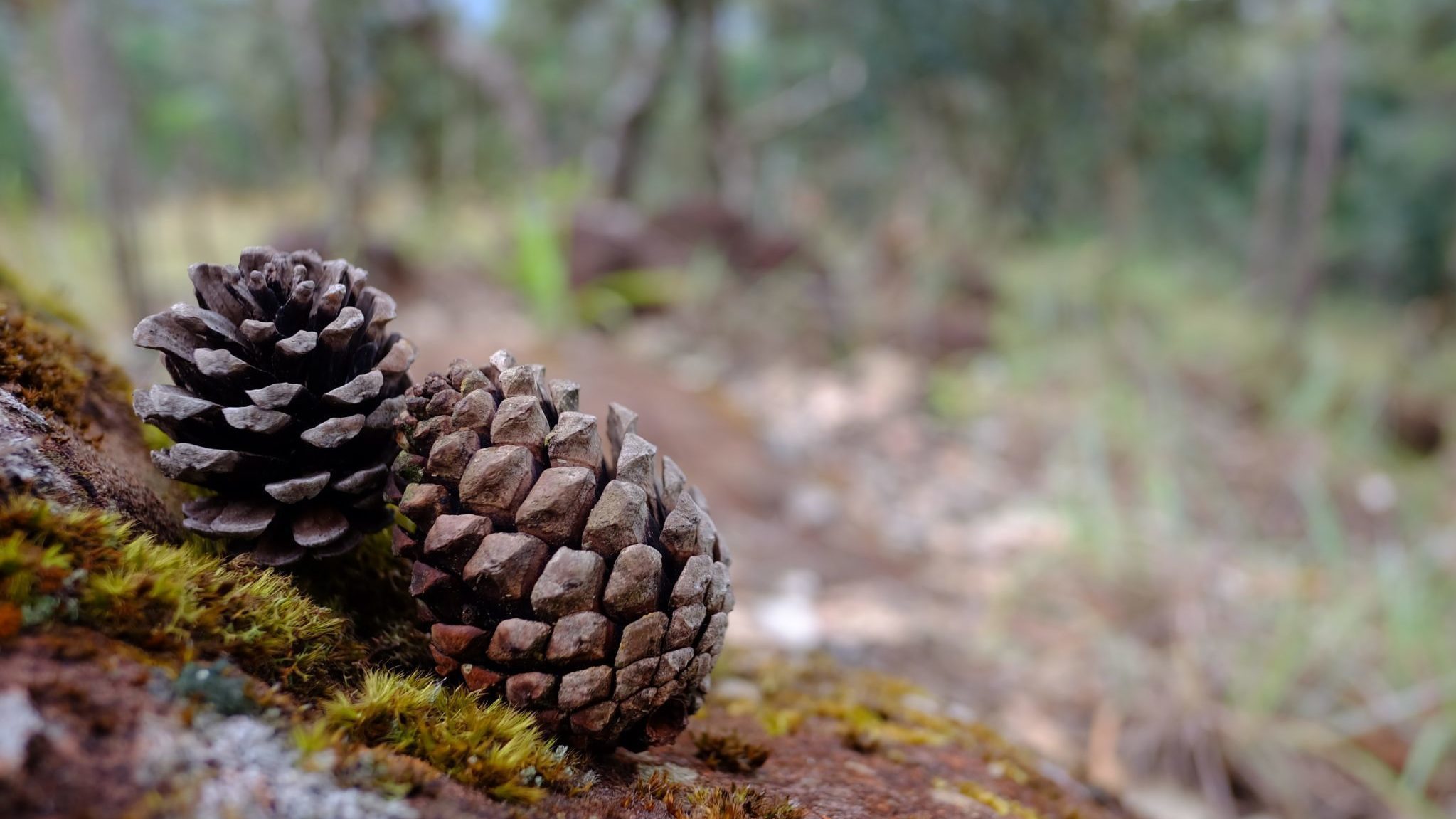
To colonize new portions of land and find better growing conditions, plants in Gatineau Park also travel. How? With the help of allies. Animals and insects transport impressive quantities of pollen, seeds and nuts when they feed and when they move.
Just think about squirrels and the vast number of seeds and pinecones they store all over the forest, or a bear with burrs in its fur, or that travels several kilometres and leaves behind seeds from the fruit it has eaten when it defecates.
Invisible barriers
Ecological corridors are very important, but also fragile. A road, a fence, or a railway track can create a physical barrier for animals and prevent them from moving between different natural environments.
Psychological barriers can also produce the same result and isolate environments, because some species will avoid venturing into places where they feel vulnerable. These barriers include trails and human presence.
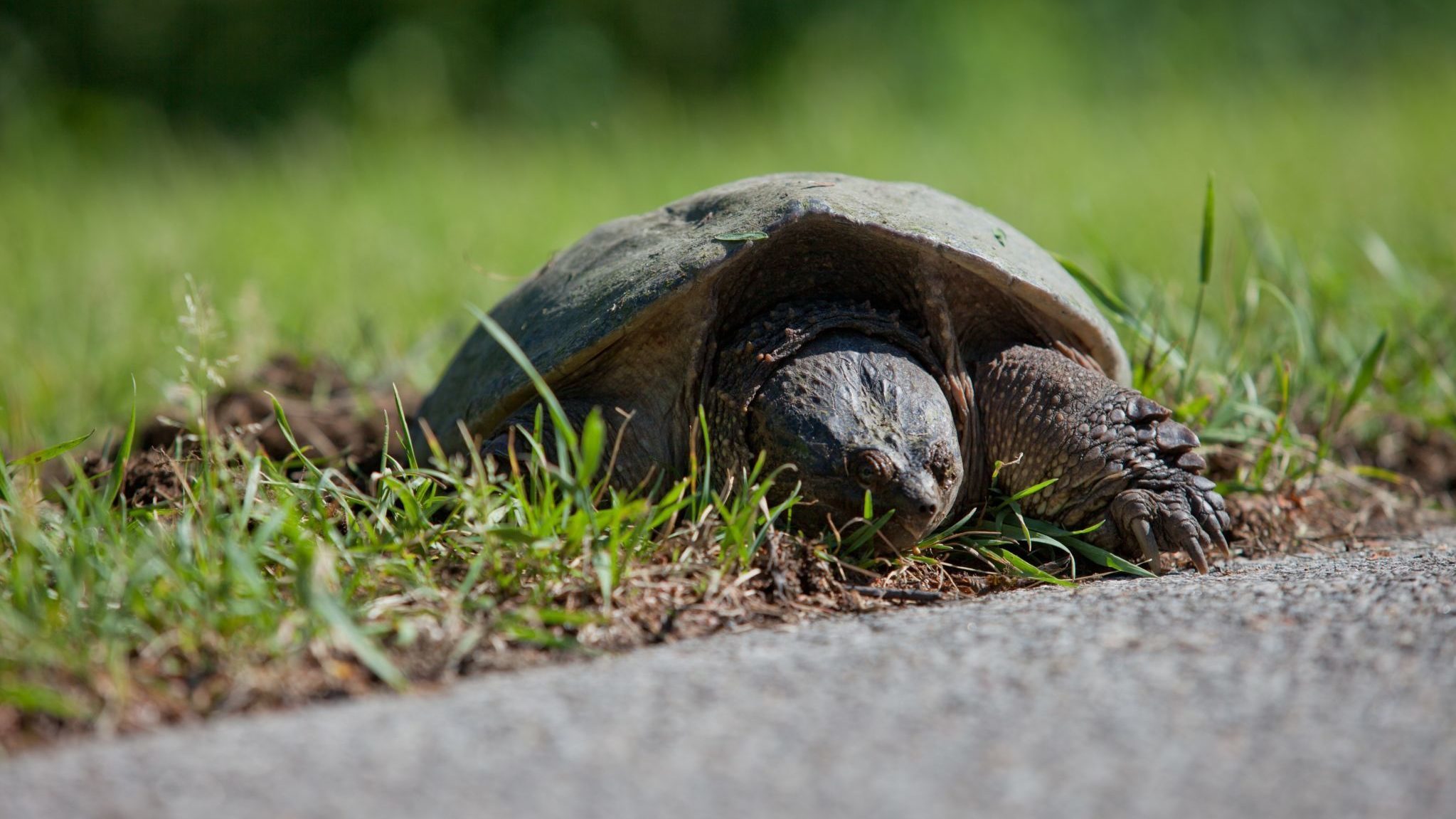
Some animals, such as the lynx, are especially sensitive to noise and odours created by humans in their territory. For some animals, like centipedes, turtles or mice, crossing a trail can be just like trying to cross a multi-lane highway!
Concrete actions
Unofficial trails in Gatineau Park contribute to habitat fragmentation when they are regularly used. The repeated presence of people on these trails can also inhibit movement by more timid species like fishers and weasels. These animals can sense the presence of humans as a threat long after a person has passed by on a trail, and they will not dare approach it.
You can help protect the park and these species by using only official trails.
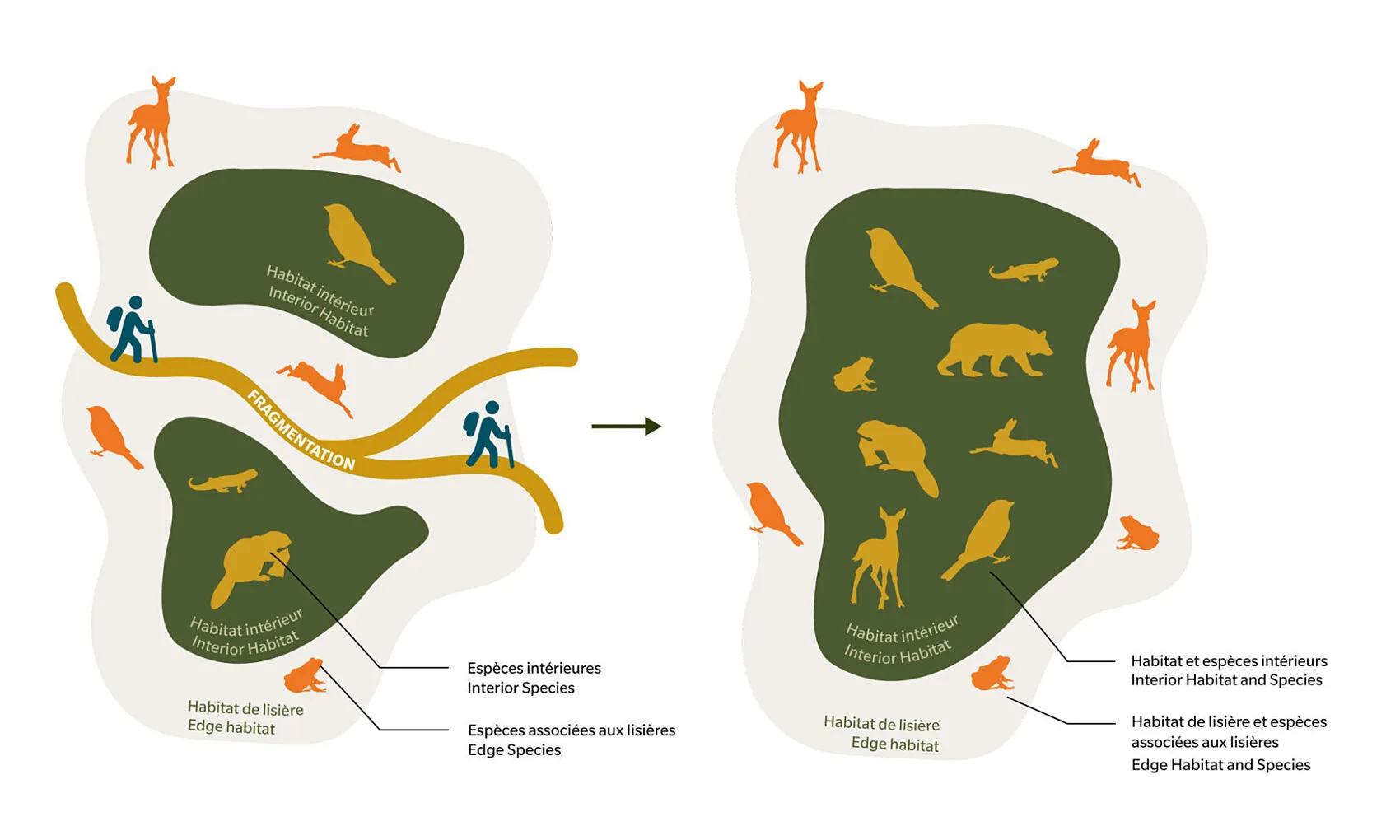
The NCC is working actively to limit barriers and conserve connectivity between environments through partnerships and projects like the Responsible Trail Management project.
Protecting ecological corridors is also one of the conservation priorities of the Gatineau Park Master Plan.